The 2019/2020 bushfires in Australia were catastrophic. They started early and raged beyond NSW and Queensland - with further off regions being affected too. Sydney experienced the hottest temperatures on record, with disastrous bushfire smoke that impacted people's health. These circumstances are dangerous triggers for those affected by asthma and can lead to asthma attacks. How can you reduce the risk?
During bushfires, the flames aren’t the only hazard Australians are facing. The air quality deteriorates drastically posing a significant health risk if you have asthma, emphysema, chronic bronchitis, heart problems, or Chronic Obstructive Pulmonary Disease (COPD).
Young children and seniors are automatically at risk, with the ambulances inundated with call-outs relating to respiratory problems and severe asthma symptoms. If you have a chronic respiratory condition, you can’t afford to wait - you need to have a plan of action to keep yourself safe.
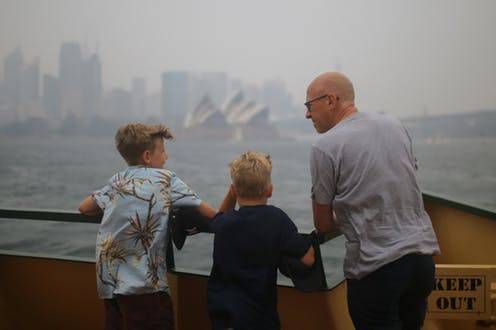
How can the bushfire smoke affect your health?
While healthy people might experience a burning throat, coughing, stinging eyes, sneezing and a runny nose as a result of the bushfire smoke in the air, their symptoms will disappear when the smoke contamination dissipates. It’s not the same with Asthma symptoms.
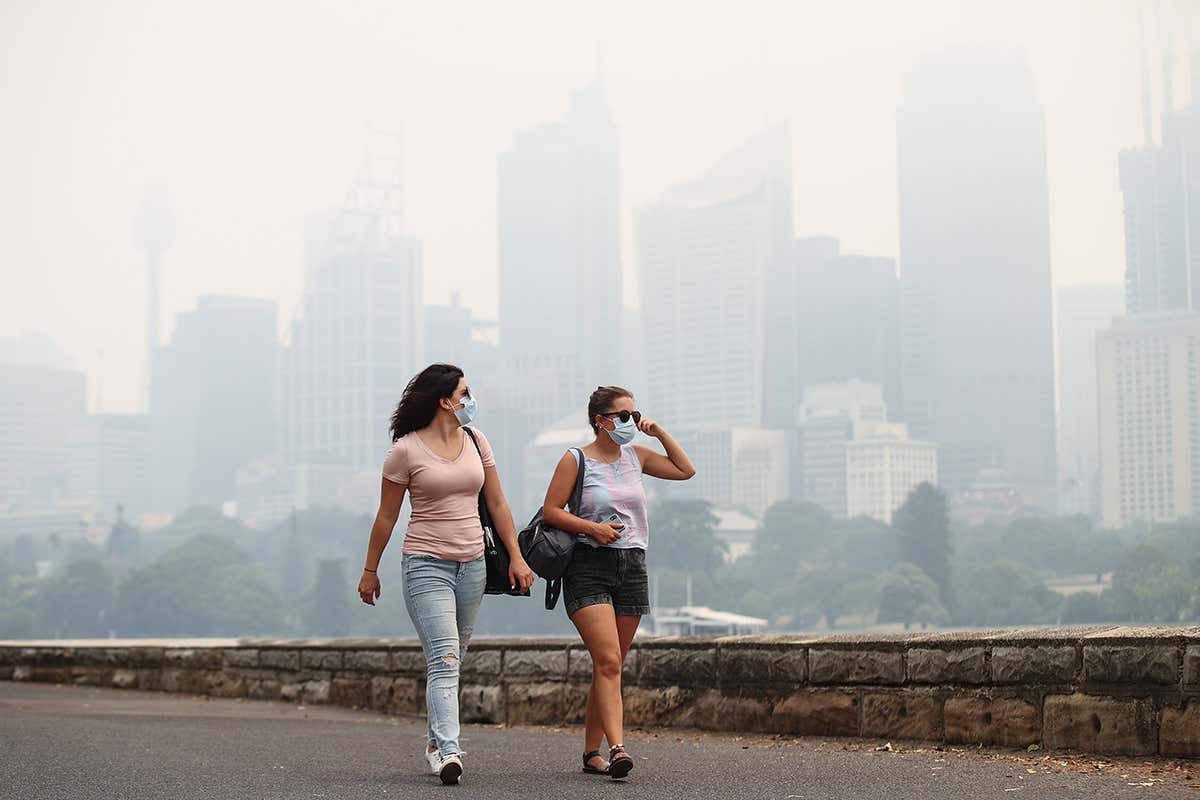
For those with a chronic respiratory condition, it’s not that simple. The duration of asthma symptoms or any chronic respiratory condition may persist for far longer, and, the intensity of the symptoms can be dangerous. The smoke particles which spread through the air can remain a trigger for breathing problems and asthma symptoms for days following exposure. Your symptoms may look like this;
> Difficulty breathing
> Coughing, wheezing
> Sore throat
> Chest tightness
Which health precautions can help you minimise the negative effects of the bushfire smoke?
Always try to minimise your bushfire smoke exposure by staying indoors and keeping the windows closed. Remember, bushfire particles can stay in the air for long after the fire has been extinguished, and ash is especially hazardous.
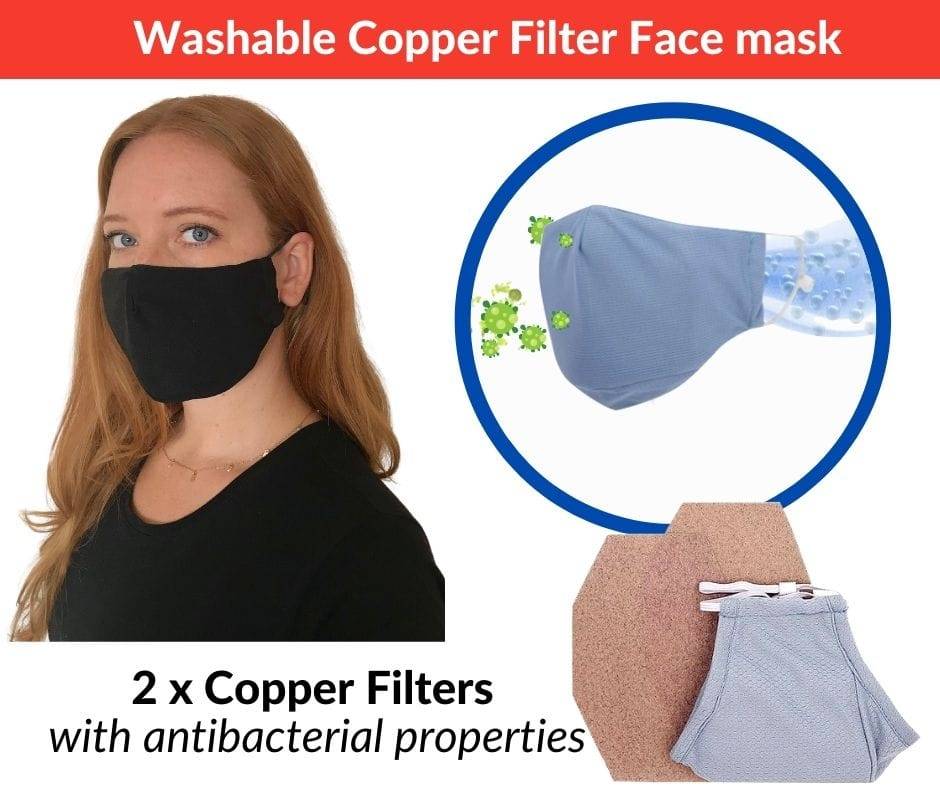
The best way to prevent smoke coming into your lungs is by using a P2 face mask. Our Reusable Protective Face Mask by Dr. Hoffmann is a reusable and washable face mask with a copper filter that works perfectly against potentially harmful particles. The patented copper filter is particularly beneficial for asthma and allergy sufferers.
Tune into the updates via mobile apps, radio or TV but avoid going outdoors for some time following the fires. Implement these ideas to keep yourself safe:
> Avoid using anything that adds more particles to the air: gas lights/stove, candles, incense
> Avoid vacuuming because it releases particles into the air, further contaminating it
> Run your air conditioner on recirculation mode, which enables you to block out the outdoor air
> If your symptoms become more severe or if you find you are unable to implement the above, arrange to travel away from home until the fires are under control
Make sure you are prepared for bushfire smoke
An asthma attack in bushfire conditions can be life-threatening. Those who battle with asthma need to be prepared by having a minimum of 5 days’ worth of medication on hand to manage asthma treatment at home.
You should also have an emergency kit on hand, which is kitted with all your asthma treatment devices and medication including your asthma prescriptions as well as prevention inhalers, long-acting inhalers, and oral steroids to manage asthma flare-ups.
Medications and asthma treatment at home
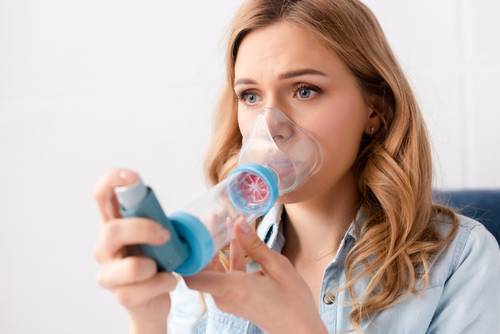
There are 3 main types of medications used to treat asthma:
A 'reliever' is a medicine that gives you quick relief from asthma symptoms. It helps open the airways of the lungs making breathing easier. You only take it when you need it. It is commonly known as the blue puffer. Use a spacer for more efficient relief!
A 'preventer' reduces the swelling and the mucus in the airways. It makes the airways less sensitive. The medicine takes tome to be effective and has to be taken on a daily basis to work properly. It is used in mild to moderate asthma. It is known as the 'orange' or 'yellow' puffer. Make sure you take your preventer regularly!
If you have severe asthma attacks that do not respond to regular reliever medication, then use steroid medication. If you are using a regular preventer (such as an inhaled corticosteroid), but you still get asthma symptoms, you may need to step up the preventer. These stronger preventers include a second medicine, as well as the inhaled corticosteroid and, are called ‘combination’ therapies. The medications reduce the swelling and mucus in the airways. It takes about 4 hours for this to start working. Steroid medication is usually taken for 3 days.
An asthma flare-up or asthma attack can take anything from a few minutes to a few days to develop. It can be a very frightening experience and people having an asthma attack need help straight away.
Make sure you have a current Asthma Action Plan. If you don’t have a written Asthma Action Plan, visit your doctor to have one completed.
Portable devices
-
Inhalers and spacers are in high demand. Some of the top-quality products worth keeping in your home include the Able Spacer. These are special spacers that incorporate anti-bacterial silver ion technology to protect against most bacteria. A spacer will help bring the medication deep in the lungs.
-
Nebulisers are used for the delivery of preventers and relievers and there are the number one high-quality solution available on the market. In these circumstances, you should order a heavy-duty nebuliser with a high-flow solution for medication and avoid going to the store to purchase, opt for online ordering. Nebulisers come with a nebuliser bowl, facemask, mouthpiece, tubing and inlet filter.
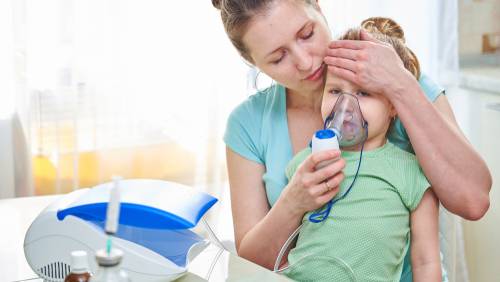
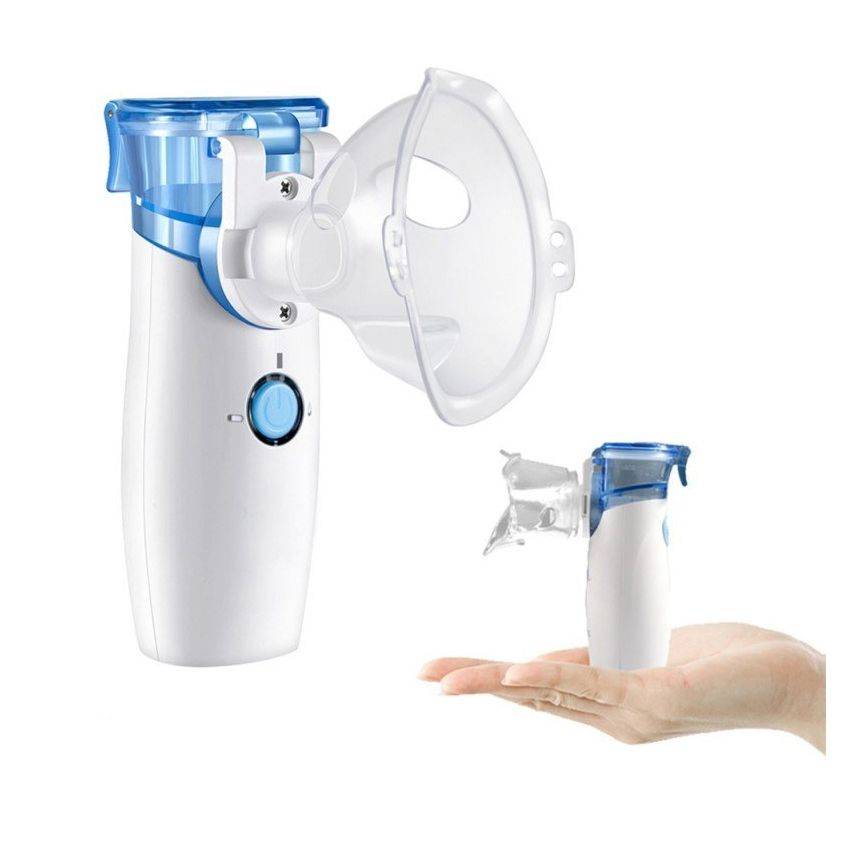
The top choices recommended by medical practitioners are the Portable Nebuliser Machine by A&D Medical, or the Actineb AC2000 Nebuliser . For a reliable handheld mesh nebuliser check the small Portable Ultrasonic nebuliser.
-
The ‘My Asthma Bag from Bello Alito’ is a uniquely Australian innovation designed to simplify record-keeping for asthma sufferers and assist with asthma treatment schedules. It is comprised of tools and record-systems to help caregivers, patients, and doctors to communicate more effectively and manage the condition.
- Check our full range of lung health support products
What can you do if someone gets an asthma flare-up?
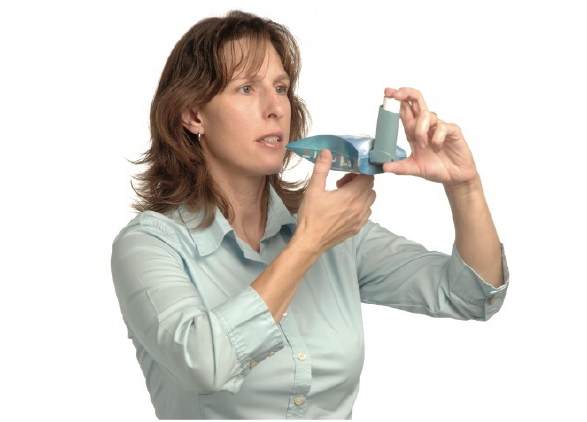
The four steps of asthma first aid are:
-
Sit the person upright and reassure her/him – do not leave them alone.
-
Without delay, treat with 4 doses of reliever medication (such as Airomir, Asmol, Bricanyl or Ventolin). Use a spacer, if available, with the puffer. Shake the puffer and insert it upright into the spacer. Press on puffer to release one puff at the time into the spacer. Ask the person to take four breaths in and out of the spacer after each puff of medication. Take the spacer out of the mouth.
-
Wait 4 minutes. If the person still can not breathe normally, repeat and give 4 more puffs. Do not forget to shake the puffer before each puff! If there is little or no improvement, call triple 0 immediately and continue to use the reliever inhaler – 4 doses every 4 minutes until help arrives.
If the person is improving after 4 minutes, keep monitoring. If necessary, repeat doses of the blue inhaler. Return to quiet activity, when the person is free of wheeze, cough or breathlessness.
For those over 12, you can give 2 separate doses of Bricanyl or Symbicort inhaler if a puffer is not available. Wait for 4 minutes. If the asthma patient still can’t breathe normally, give 1 more dose. If it is still the case that the person can’t breathe normally, call an ambulance immediately, dialling 000. Repeat 1 dose every 4 minutes for Bricanyl. Symbicort can be given 3 more times!
If you need emergency assistance, call triple '0'.
Bettercaremarket can help
We recommend checking all the relevant information about Asthma on the website of Asthma Australia.
Avoiding asthma triggers is the best way to prevent flare-ups. Limit your exposure to asthma triggers; in this case try to stay inside and avoid smoke polluted area’s.
Make sure to stock-up on assistive respiratory devices at home. Bettercaremarket has listed facemasks, nebulisers, inhalers, and flow-meters to secure availability for customers in need through this national crisis and beyond. Just place an order and the products will be sent to your home in just a few days.
Enhance your understanding and find practical solutions with our other top-performing blogs:
- A Bottom Wiper: How Can It Help a Bariatric User?
- Find the Best Crutches to Suit Your Needs
- Choosing the Right Walking Frame for Parkinson’s Disease
- What Is Normal Blood Pressure?
- The Benefits of the Multifunctional Chair After Hip or Knee Surgery
- Bathroom Tasks Made Easy for Those Living with Parkinson’s
Stay informed with tips and insights tailored to your needs!
About Bettercaremarket
Bettercaremarket is your leading supplier of healthcare essentials and your #1 destination for quality incontinence supplies, mobility equipment, independent living aids for seniors, disability aids, rehab and therapy products and medical supplies.
We help NDIS-participants, aged care facilities, home care package providers, occupational therapists and allied health providers find the best solutions to solve their need.