Each September, Asthma Australia dedicates a week to Asthma. Asthma week is committed to teaching Australians about asthma to create more awareness and understanding around the disease. This year Asthma week runs from the 1st until the 7th of September.
The theme they have chosen for 2021 is “Air Nutrition – You are what you breathe”. Asthma Australia has joined forces with a few organisations to educate people about the impact and risk of all the forms of air pollution and want to make Australians aware of the damaging effects of air pollution on our lungs and general wellbeing.
What do you know about asthma?
Even though more than 2.7 million Australians have asthma, many Australians still don’t know what it is to suffer from this health condition.
Did you know that:
- 1 in 9 Australians is affected by the disease?
- Asthma is the leading chronic condition among children: 1 in 10 kids between 0 and 14.
- 441 people die of asthma every year in Australia.
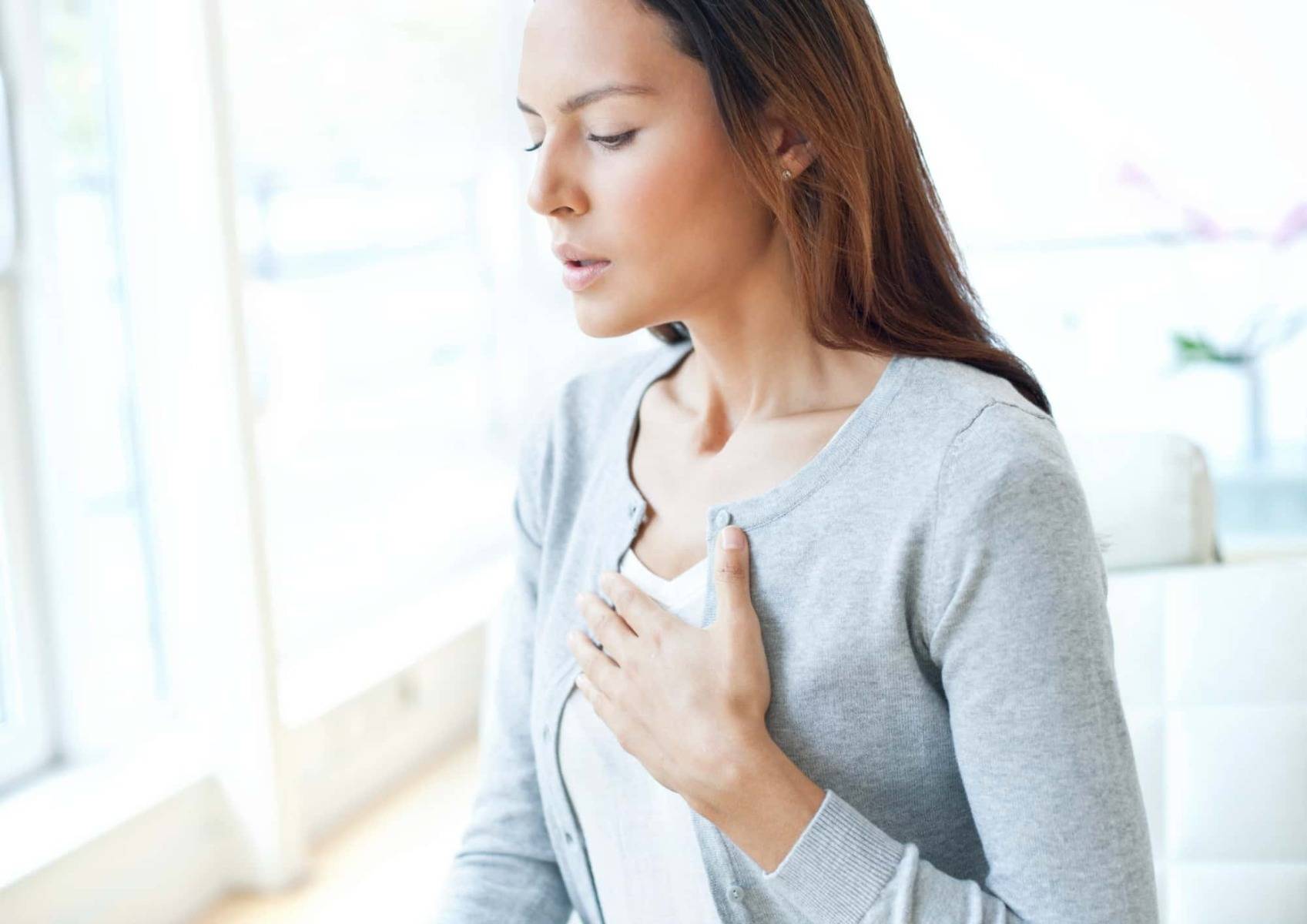
So what is Asthma?
Asthma is a serious chronic lung disease that causes breathing difficulties and affects sufferers in varying degrees. Asthma is caused by swelling and inflammation of the bronchial tubes, often in reaction to allergens (such as dust, mould, pollen), exercise, stress or changes in temperature.
Asthma is usually not curable but can be controlled to a certain extent. The most important thing is to avoid triggers, which allows asthma sufferers to live a relatively normal life. One of the triggers is air pollution. Make sure you know everything about the air you breathe in and outside the house.
What are the effects of air pollution for Australians?
We know that the air we breathe is important. Air pollution can leave a big imprint on human health, in more ways we can imagine.
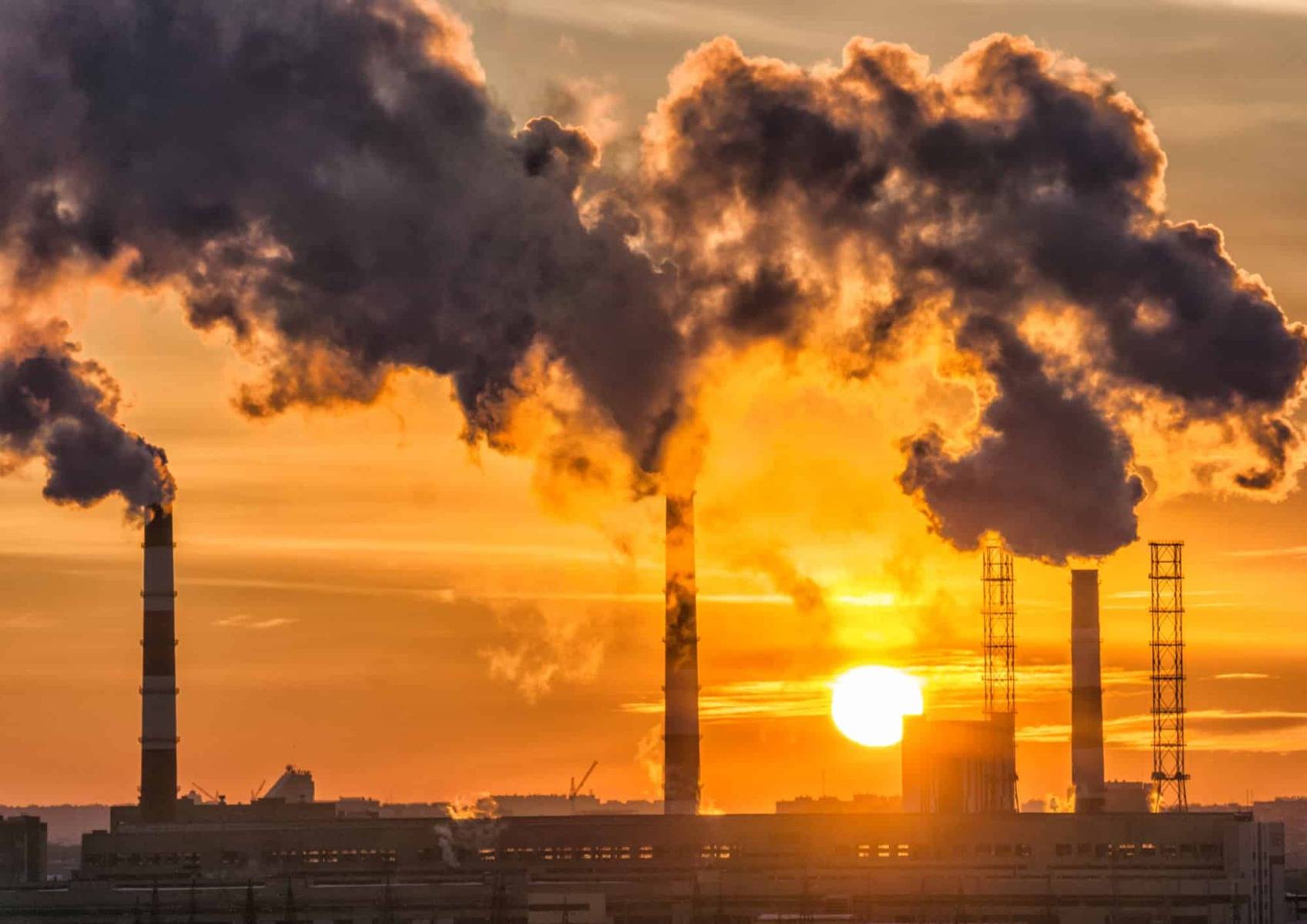
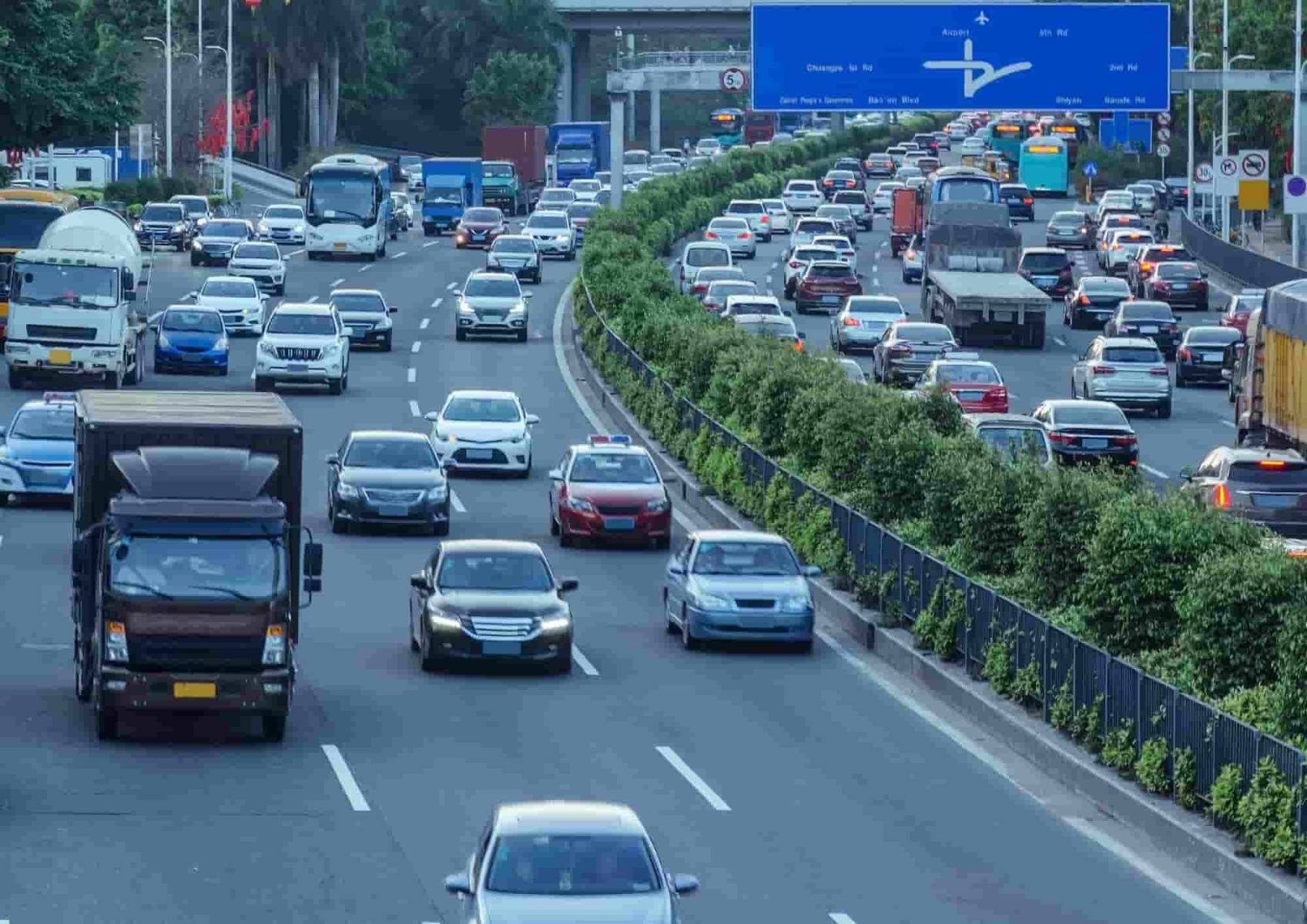
In our country, bushfires, the smoke of wood-fire heaters and car exhausts are the biggest pollutants. The particulate matters that are particularly bad are the PM2.5 and PM10.
Air pollution can trigger lung diseases and can affect the quality of life, especially for those with asthma. Exposure to air pollutants can threaten the health and lives of millions of Australians. Thousands of Australian children develop asthma every year as a result of air pollution. Childhood asthma
What are the risks of breathing polluted air?
The more research is done into this invisible threat, the more scientists find that air pollution poses a serious threat to our nation’s health.
- Asthma attacks: breathing air pollutants can lead to increase asthma attacks. This can result in hospital admissions or visits to the emergency room.
- Wheezing, coughing, shortness of breath or eye irritation: can be caused by short or long term exposure to high levels of air pollution.
- Cardiovascular diseases: air pollution can increase the risk of heart attacks and strokes
- Lung cancer: the WHO has been determined that particle pollution can cause lung cancer
- Premature death: scientists have proven that both long-term and short-term exposure to unhealthy air can shorten life and lead to premature death.
- Development damage in children: exposure to air pollutants can slow and stunt lung development in growing children, harming their health now and reducing their lung function in the future.
- Susceptible to infections: air pollution contributes to lung infections, especially in children
- Worsened COPD symptoms: exposure to unhealthy air can make it even harder for those with COPD to breathe.
- Swelling and irritations: even people with healthy lungs are susceptible to lung irritation and lung swelling. For those living with asthma or other chronic lung diseases these affects can be especially harmful.
- Mental health concerns: research has uncovered links between the air we breathe and mental health concerns.

What is good Air Nutrition?
Clean air is essential when it comes to our daily health and wellbeing. Good Air Nutrition contributes to a better health and lowers the risk of getting unwell, especially if you have a respiratory condition like asthma.
Asthma Australia has put together some simple steps to improve Air Nutrition at home and outside and how to prepare for the impacts of air pollution.
What can you do to improve air nutrition at home?
The average person in Australia spends 21 hours indoors, making indoor air quality a matter of vital importance. Poor indoor quality is linked to several respiratory disorders. Health issues are posed by a variety of indoor compounds but the good news is that there are steps you can take to immediately improve the air quality at home.

- Clean your carpets, rugs, mattresses & curtains: dust mites thrive in bedding and carpets. Their droppings can trigger an allergic reaction. Make sure to clean and wash regularly to eliminate dust and cut back on allergens. Put dust-mite covers on pillows and mattresses.
- Ventilate when using gas cooktops and heaters: this will improve the air-quality in your home.
- Consider less irritant cleaning products: minimise the effect of chemical irritants by using asthma-friendly cleaning products. Look for anti-allergen alternatives.
- Remove mould: breathing in mould fragments – or spores - can put you at risk of an asthma flare-up. Ventilate and use extractor fans or dehumidifiers. Act quickly to sort out the problem before it gets worse.
- Opt for a healthier option than wood-fire burners and backyard fires: they produce high levels of smoke and PM2.5 emission that can cause an asthma attack.
- Switch to a healthier home fuel source: gas heating can release chemicals -nitrogen dioxide – which can be a trigger for asthma. Consider replacing them for induction or electric appliances.
What can you reduce the effects on your health from air pollution outdoors?
The impact on your health by air pollution is significant. Research has identified that 25% of global deaths from lung cancer, stroke and heart disease are due to air pollution.
Pollutants such as combustion, dust, smoke and industrial emissions are some of the larger public concerns for health.
We can take smart lifestyle steps to reduce the exposure of air pollution we breathe in.

- Avoid busy roads or industrial areas when you exercise; try to find greener spaces to walk, run or cycle or use the back streets away from the bulk of vehicle congestion
- Stay away from local pollution hot spots
- Walk or cycle to school when you pick up the kids: if you drive, turn the car off to avoid levels of pollution to built up
- Time your activities outside: choose the days or part of the days when pollution levels are low.
What can Bettercaremarket do for you?
Bettercaremarket offers a range of respiratory equipment for your needs:
- Nebulisers: we can help you with compressor or mesh nebulisers for babies, children and adults
- Spacers: we have medical spacers for you to use at home or disposable spacers ideal for school or community centers
- Peak flow meters: check our inspiratory and expiratory meters
- Other respiratory essentials: from pulse oximeter to Triflo spirometers and from vapourisers to essential oils
These specific lung equipment will help you relieve and support your respiratory condition.
Many asthma conditions are covered for funding and support by the NDIS. Bettercaremarket is a Sydney based NDIS provider who can assist participants in finding the right respiratory products for their condition.

We can help you with an easy check-out process that automatically sends the invoices to your plan manager or to the NDIA for payment. Feel free to reach out to us on 1300 172 151 or visit the Bettercaremarket website.
Asthma Australia
Astma Australia is dedicated to reducing the burden of those suffering from asthma through support, advocacy, education and research. You can get involved in the National Asthma Week by supporting Asthma Australia’s mission. Throughout the week Asthma Australia will share tips and updates about how to manage asthma.
Conclusion
Air quality is a pressing matter in Australia, considering the amount of time that most people spend indoors and out. This year's Asthma Week campaign is “Air Nutrition – you are what you breathe” that shows the dangerous effects of air pollutants and how to protect yourself from them. Be mindful of what you need to do to reduce the exposure of air pollution.