Rediscovering Independence at Home
For Margaret, a grandmother and former nurse from Brisbane, life was defined by care: giving it to patients, raising a family, and nurturing her community. When arthritis began to limit the strength in her hands and knees, even the simplest tasks like opening a jar, buttoning a shirt, or stepping into the bathroom safely, suddenly became daunting obstacles. The loss of independence crept into her daily routine, turning familiar activities into sources of concern and frustration.
Margaret’s turning point came after discovering BetterCareMarket, an Australian provider specialising in living aids and adaptive equipment for people with disabilities and seniors. With the support of tailored solutions like grab rails in her bathroom, jar openers and an overbed table, she regained her confidence and could once again focus on the moments that mattered.
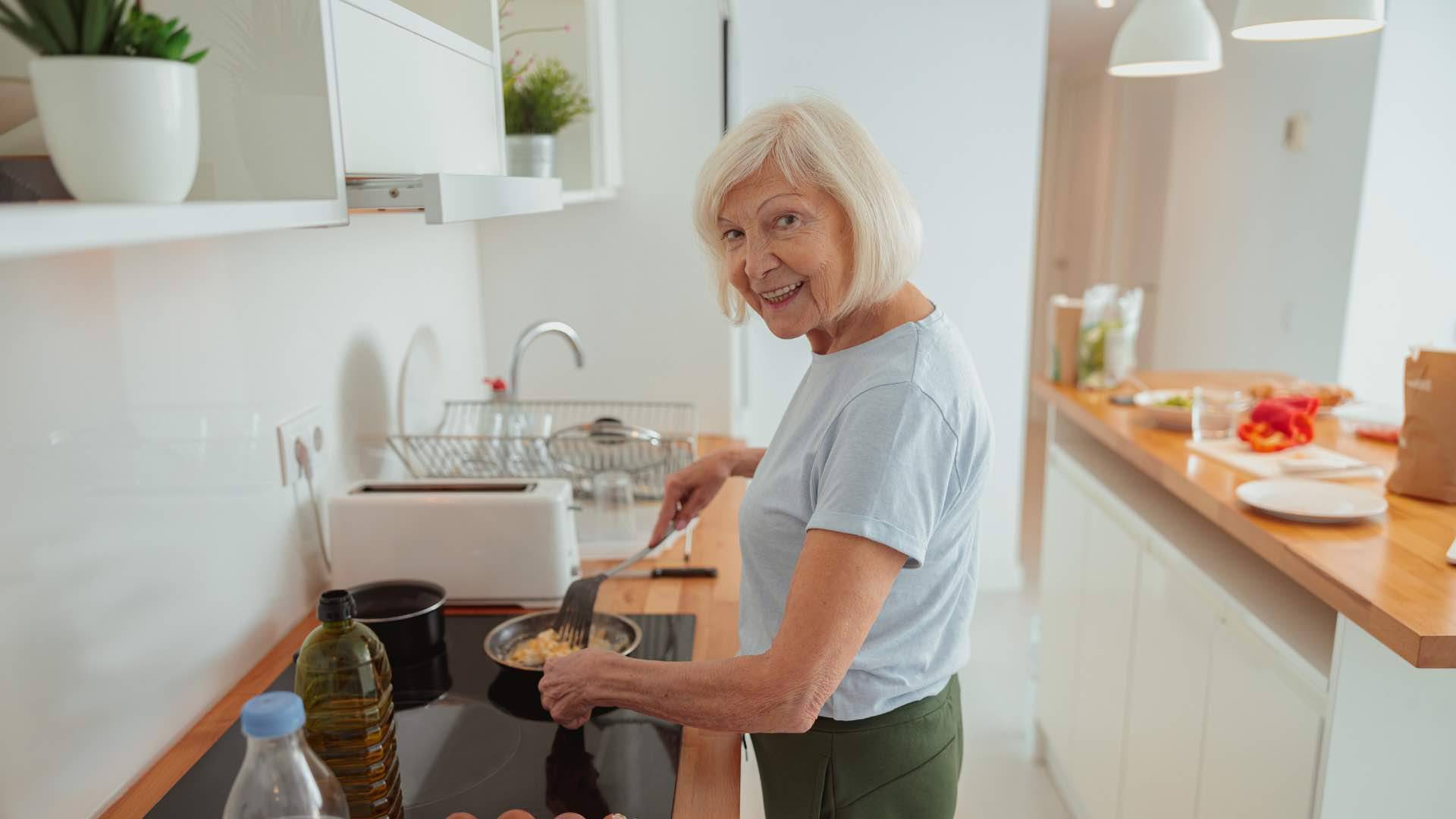
Her experience echoes the realities faced by over 1 in 6 Australians living with disability - each seeking practical, dignified ways to remain self-sufficient at home. For seniors, people with disabilities, and NDIS participants,
This article is for you if you live with a disability, care for someone who does, if you are an older Australian, or an NDIS participant trying to make home life safer and easier. You’ll find plain advice on disability equipment that keeps you independent, practical product examples, evidence on what works, and how a Registered NDIS Provider can support you. From seniors striving for self-sufficiency to NDIS participants navigating new possibilities, thoughtfully chosen aids for daily living make all the difference, transforming everyday challenges into empowering moments of independence.
Why Disability Aids Matter
In Australia, around 5.5 million people identify as living with disability, which is 21.4% of the population. And more than half of those over 65, experience some form of disability. That’s not just a statistic; it represents millions whose dignity, quality of life, and ability to remain at home rest on solutions that bridge their daily challenges.

Daily living aids are crucial tools in this journey towards independence:
- Over half (54.2%) of Australians with disability use aids or equipment to help them function and participate in everyday life. They report increased confidence to manage daily tasks and social engagements.
- Among those living alone with disability, 58.3% rely on disability aids.
- 8% of older Australians living at home report needing assistance with daily activities, yet the vast majority wish to continue living independently in their own homes.
- Specific adaptive equipment, such as walkers and foot orthoses, have demonstrable benefits for gait, balance, and gross motor skills for users with conditions such as cerebral palsy or after a stroke.
- Innovative aids, like reachers and adaptive dressing tools, are shown to reduce the likelihood of injury and foster a greater sense of independence.
How to think about Daily Living Aids
Daily Living Aids – also known as Independent Living Aids - cover a wide range of simple, affordable products that help with day-to-day activities.
- Think Kitchen & Dining tools that steady your hands.
- Bathroom Aids that prevent slips and protect dignity.
- Reachers and grabbers that stop unsafe stretching.
- Dressing Aids that make buttons, socks, zips and shoes manageable.
- Safe transfer tools for cars and beds.
- Ergonomic garden tools that bring back the joy of potting and pruning
- For dementia patients, technology and telecare can support independent living
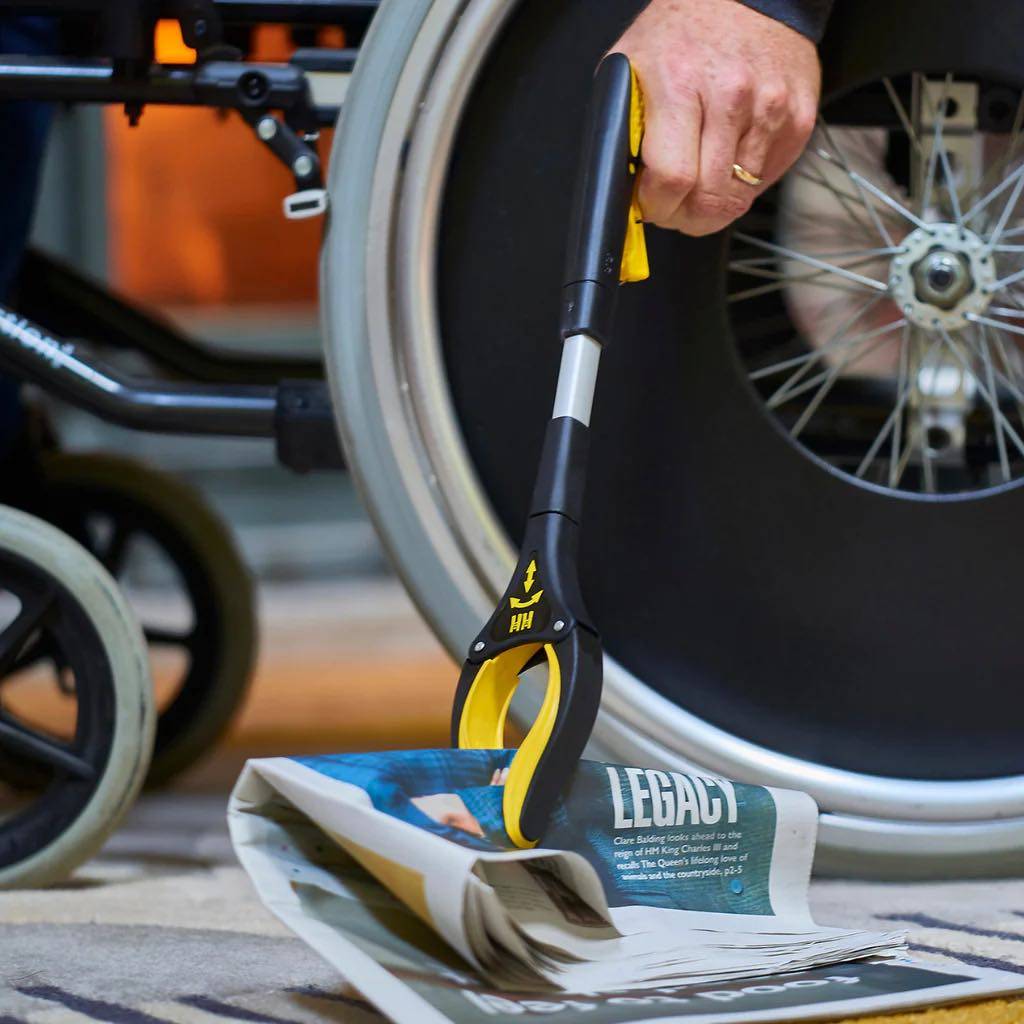
These categories are a practical starting point when you map everyday tasks to small, specific solutions.
Guide to practical disability equipment
Disability equipment comes in many forms. From kitchen tools to bathroom safety rails, these devices can make tasks easier, safer, and more enjoyable. Whether you’re managing limited mobility, arthritis, Parkinson’s, or general frailty, there’s an aid to match your needs.
-
Kitchen Aids for Independence
Problem: Gripping, lifting and food prep can strain wrists, shoulders and backs. A heavy kettle or stiff jar is all it takes to cause pain or a fall.
Opportunity: Maintain safe, pain-free independence with stabilising tools and safer leverage.
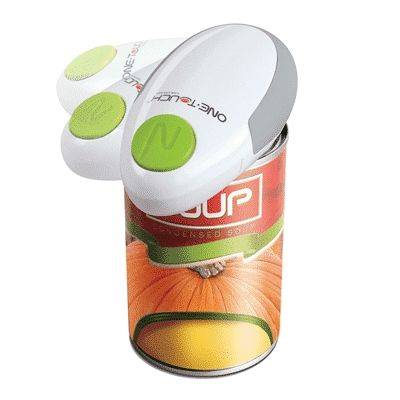
• One-touch can opener or bottle and jar openers reduce the strain of opening bottles and containers and are ideal when grip strength or dexterity is limited.
• Adapted cutlery with easy-grip handles make eating safer for people with tremors and weak grip.
• Scoop bowls with suction base have an elevated back edge to help user scoop food while eating. All while preventing the bowl from moving.
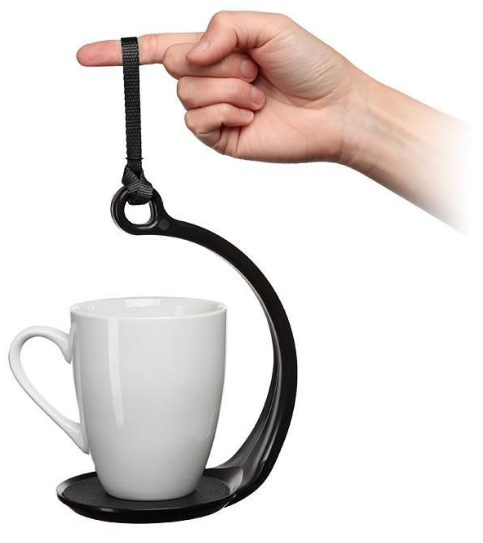
- SpillNot makes life so much easier when you need to bring your tea from the kitchen to your couch safely. No spills!
• Food preparation boards will make meal prep safe and effortless, even for one-hand users.
• Kettle tippers are perfect for seniors or those with arthritis as they minimise lifting effort
-
Bedroom and Household Comfort
Problem: Turning in bed can be difficult, and disorientation can make the bedroom unsafe. Simple tasks like checking the time can cause anxiety, sleeplessness, or even falls.
Opportunity: Create a calm, secure sleep space with dementia-friendly bedroom aids. Support better rest, reduce stress, and give both you and your loved one peace of mind through clear reminders and easy safety rails that guide safe movement.
- Our convenient Overbed tables are perfect for meals, reading, or working from the comfort of your bed
- Specialised sheets for conditions like Parkinson’s assist with repositioning comfortably in bed.
- Bed rails make getting in and out of bed safer for seniors and people with mobility limitations.
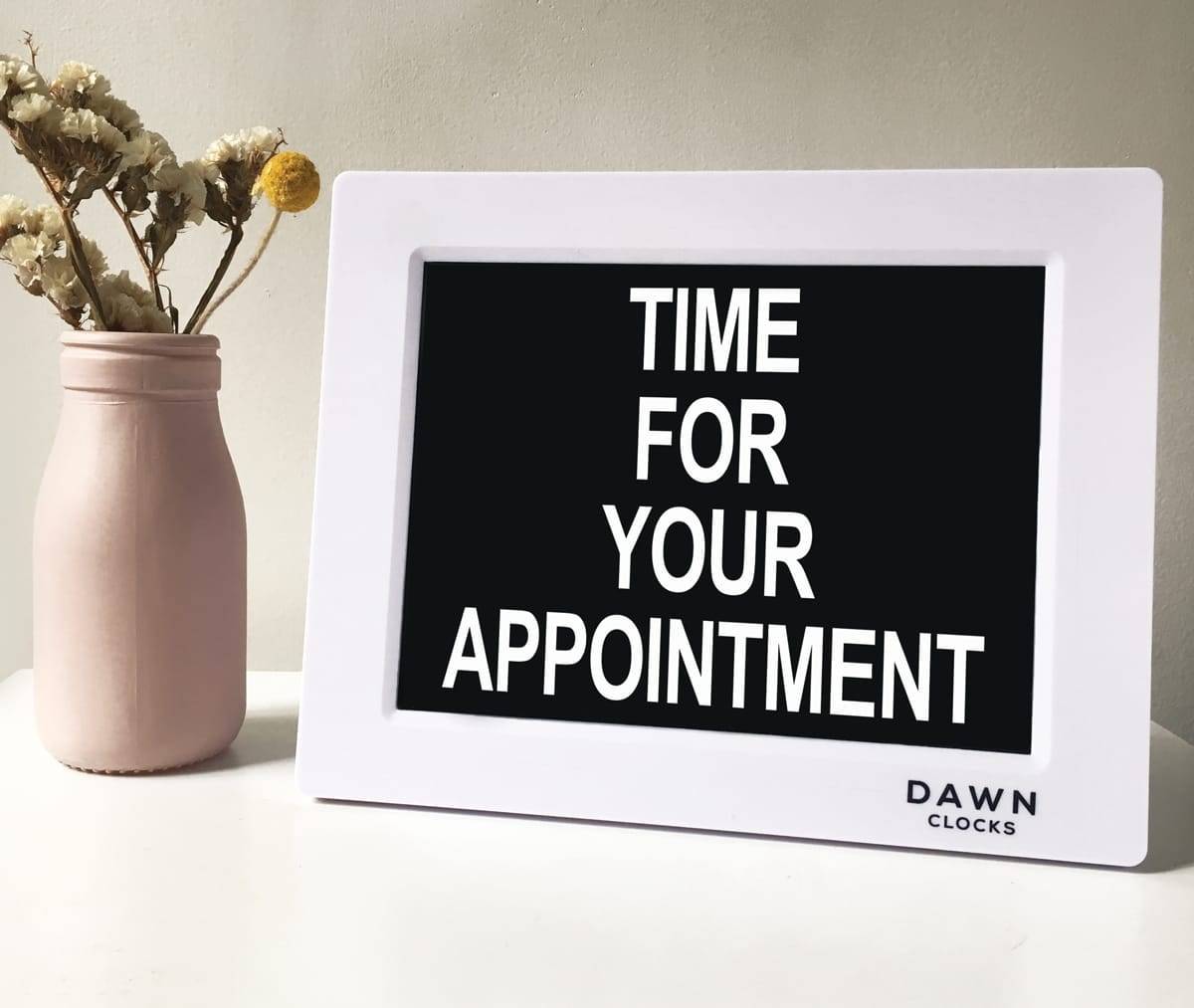
- Dementia clocks help maintain routines and lower anxiety for those living with cognitive changes.
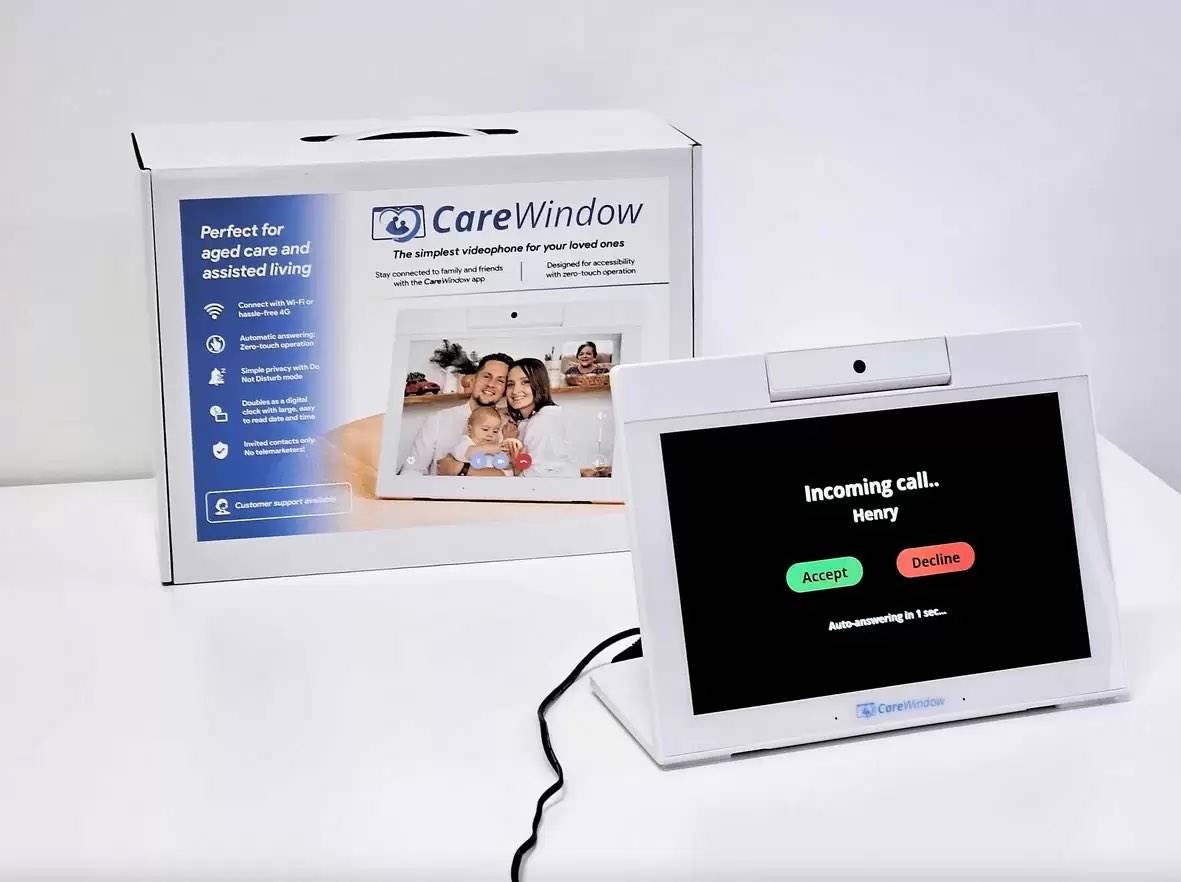
- Video Phones for seniors are an innovative solution for video calling to stay connected with your loved ones
-
Bathroom and Toileting Supports
Problem: Wet floors, low toilets and awkward transfers increase fall risk.
Opportunity: Bathroom Aids promote safety and independence by reducing the risk of falls and making personal care more accessible and dignified.
Raised toilet seats, folding commodes, and toilet surrounds make toileting private and accessible for those with reduced mobility.
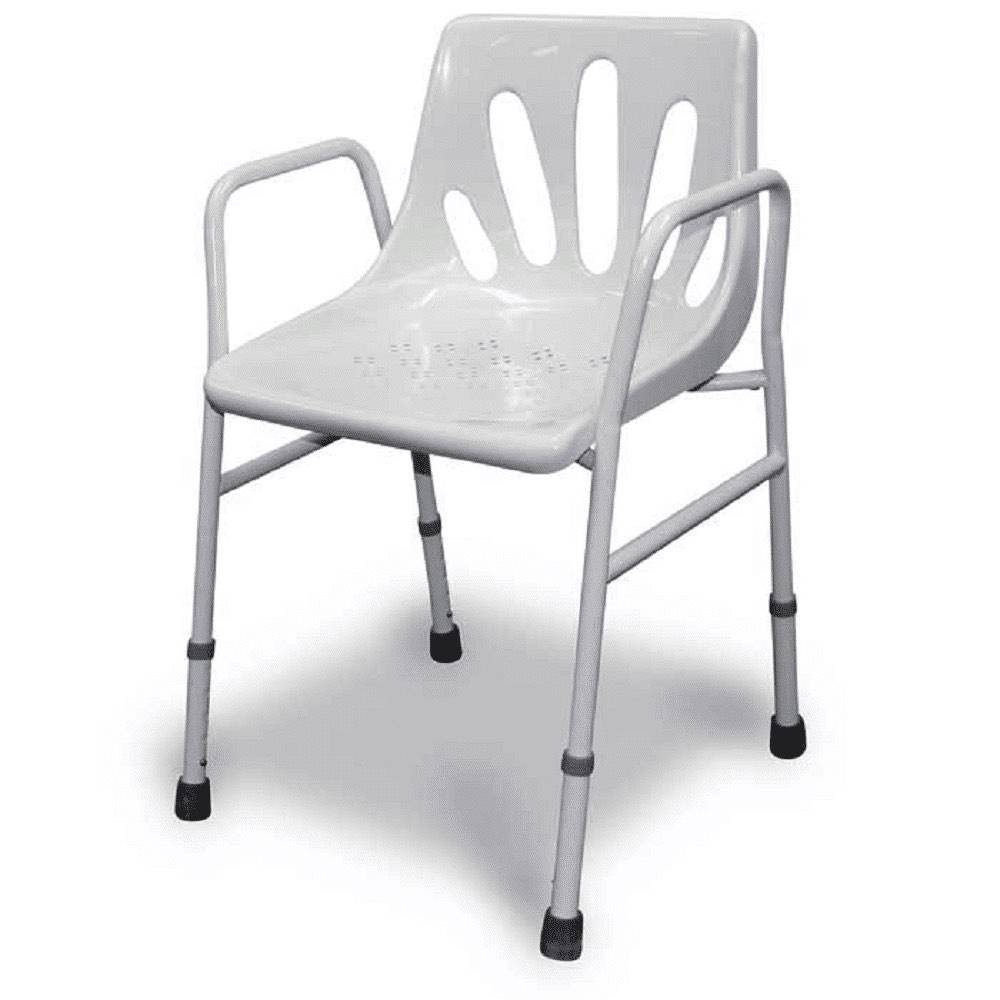
Shower chairs and bath seats offer added stability to prevent slips and falls in wet areas.
Grab rails, bath rails, and non-slip mats will keep you on your feet at all times
-
Dressing and Personal Care Aids
Problem: Limited shoulder range, tremor, pain or fatigue can turn dressing into a battle.
Opportunity: Simple tools restore privacy and independence, which improves mood and routine adherence.
Sock aids, button hooks, zipper pulls, and dressing sticks assist with getting dressed despite pain, weakness, or limited movement.
Elastic shoelaces and long-handled shoe horns eliminate the need for bending or manual dexterity.
-
Reaching Solutions
Problem: Repeated bending or climbing chairs to reach shelves invites falls.
Opportunity: Use tools to bring items to you.
Reachers and grabbers help retrieve objects from high shelves or the floor without overreaching or risking falls.
-
Travel and Car Aids
Travel aids make outings and vehicle use easier by overcoming barriers to entry, seating, or comfort.
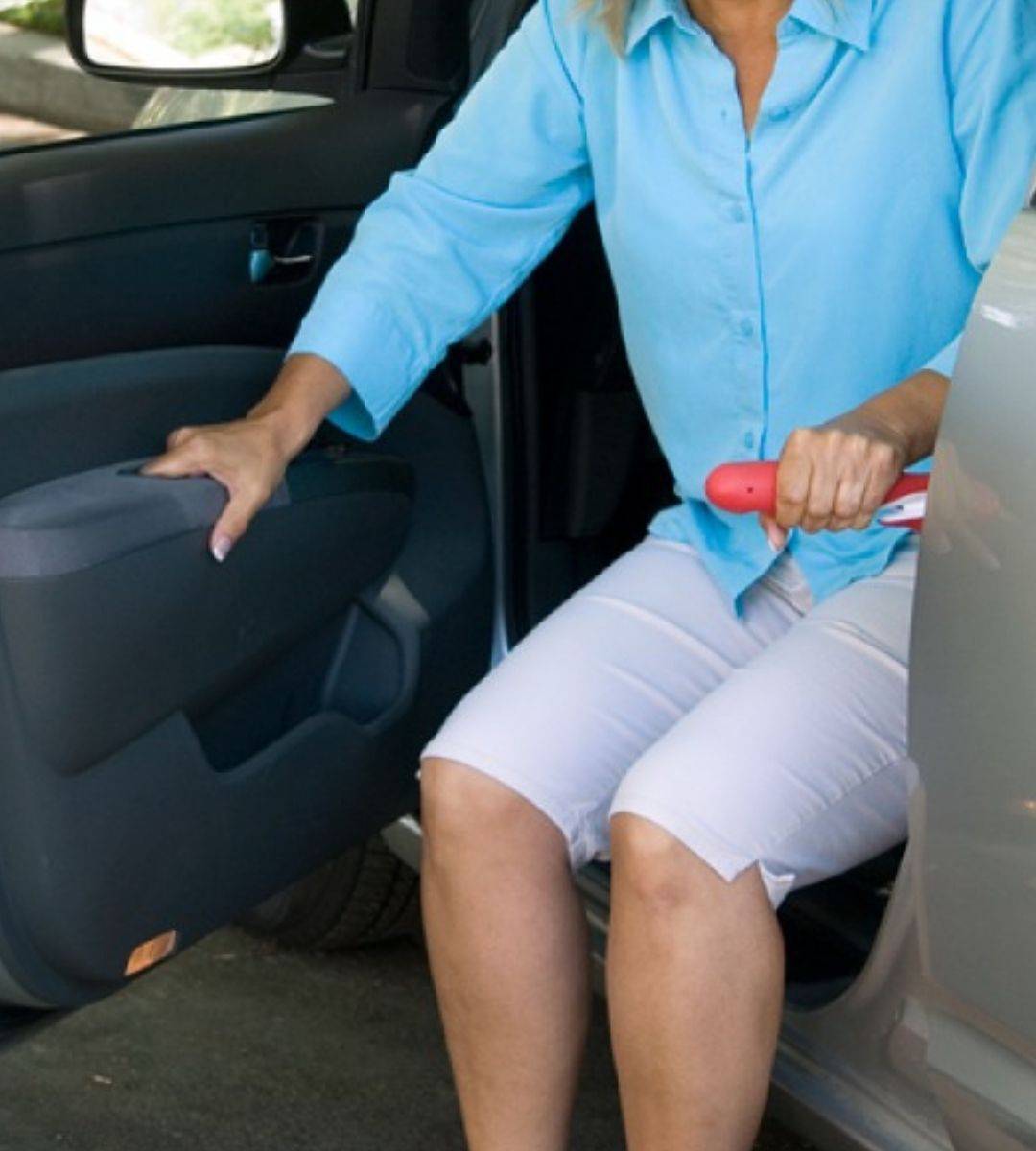
Car mobility aids like swivel seat cushions and handy bars simplify getting in and out of vehicles.
Support cushions provide comfort for long rides and help manage posture or pain.
Seatbelt reachers will make grabbing your seatbelt much more convenient
-
Garden Equipment
Problem: Pain and weak grip stop many people from tending the garden, which hurts strength, balance and joy.
Opportunity: Ergonomic handles and long-handled tools reduce joint load and let you garden seated or from a wheelchair.
Ergonomic garden tools with increased leverage and longer handles reduce hand and wrist strain, enabling gardening from a wheelchair or seated position.
Foldable garden kneeler ensures your knees are comfortable and protected whilst kneeling and are perfect garden tools for seniors who need some extra support in the garden.
How BetterCareMarket can help
BetterCareMarket can help you choose from a broad range of Daily Living Aids to make everyday tasks easier and safer at home. The focus is on practical, proven products, clear information and friendly service so you can choose with confidence and stay independent for longer.
As a registered NDIS-supplier, BetterCareMarket helps customers identify the most appropriate aids for their situations, supporting not only people with disability but also seniors and carers seeking home care solutions.
If you are arranging NDIS Consumables or low-cost assistive technology, the team can supply product details and invoices aligned to your goals and plan management, and point you toward items that are readily available and easy to trial at home.
With expert advice and thoughtfully curated products, BetterCareMarket enables smoother routines and safer environments, ensuring customers can live with confidence and autonomy.
The Role of NDIS and Home Care Packages
The National Disability Insurance Scheme (NDIS) is a powerful ally, making assistive technology and adaptive equipment available to all eligible Australians. This includes everything from rollators and walking frames to bathroom aids and specialised eating equipment.
Seniors not covered by the NDIS may access support through Home Care Packages, designed for those needing more help to remain in their own homes as they age. Both funding sources prioritise equipment and strategies that support independence, safety, and quality of life.
How to choose the right aid
Selecting the most suitable living aids is a personal process best guided by healthcare professionals, including occupational therapists and NDIS support coordinators. Some useful tips:
- Start with the task, not the product
List what is hard, how often it happens and when it’s riskiest. Cooking, transfers, showering, dressing, toileting and reaching are common trouble spots. Then match each task to one product that removes the highest risk step. - Prioritise safety
Non-slip surfaces, appropriate grab rails, and stable seating in the bathroom are usually the first wins because that room carries the highest injury risk. - Keep it simple and test
Low-tech often beats high-tech at home. A jar opener you actually use every day is worth more than a complex device you avoid. - Fit and set-up matter
Grab rails must be placed where your hand naturally reaches. A rollator must be adjusted to elbow height. If possible, ask an OT to check set-up. - Think energy, not just safety
If a reacher saves you 20 bends a day, that is energy you can spend on a walk, a call with family or a hobby. Independence is built from small wins. - Plan for change
Conditions change. Choose aids that can adapt. Long-handled tools and adjustable rails suit fluctuating strength. Keep packaging and instructions for future adjustments.
FAQs you might be asking
Do I need an OT to buy simple living aids?
Not always. Many Daily Living Aids like reachers, jar openers and egg cracker are safe to self-select. We recommed to consult an OT for more advanced living aids.
What if I live alone and feel nervous in the bathroom?
Start with non-slip mats and a shower stool, add two grab rails where your hand naturally reaches, and consider a handheld shower to avoid twisting. These basics reduce common fall triggers.
I have arthritis in my hands. What helps the most in the kitchen?
Angled or weighted cutlery, non-slip mats, one-touch openers and food prep boards. These reduce painful grip and torque, letting you work with both hands safely.
Can daily living aids really save money?
Preventing even one fall can avoid hospital costs and long rehab. Falls cost the health system billions each year, so preventing them is a smart personal and economic choice.
I’m on the NDIS. How do I buy?
Check your plan for Consumables or low-cost assistive technology. Document the need, link the aid to a goal, and keep records of trials and outcomes. NDIA quarterly reports confirm ongoing access and updates across participant cohorts, so keep an eye on policy changes.
Conclusion: The Future of Independent Living
Living aids are more than tools; they’re enablers of dignity, confidence, and social connection. For seniors, NDIS participants, and anyone needing a helping hand, the right adaptive equipment ensures that home stays “home” for longer.
The continuous evolution of technology and supports, combined with increased government funding and awareness, promises even more innovations and positive outcomes in the years ahead.
If you could make one task easier this week, which one would you choose?
Sources:
- Australian Institute of Health and Welfare (AIHW, 2024). People with Disability in Australia.
- Australian Institute of Health and Welfare (AIHW, 2023). Falls Data Report.
- National Disability Insurance Agency (NDIA, 2025). Quarterly Report to Disability Ministers.
- World Health Organization (2022). Global Report on Assistive Technology.