Knee braces are an essential tool for anyone dealing with knee pain, recovering from injury, or looking for extra support during physical activities. With so many options available, choosing the right knee brace can be a challenge.
Whether you're an athlete, recovering from surgery, or just trying to stay active, finding the right knee brace is key to protecting your joints and ensuring long-term health.
In this blog post, we’ll guide you through the most common types of knee injuries and the different types of knee braces, so you can make an informed decision on which brace is best for you.

What is the knee?
The knee is a complex joint that acts like a hinge connecting the thigh bone - or femur - to the shin bone - or tibia. The knee joint is surrounded by ligaments, which act like strong bands holding everything together, and cushioned by cartilage to absorb shock and prevent friction.
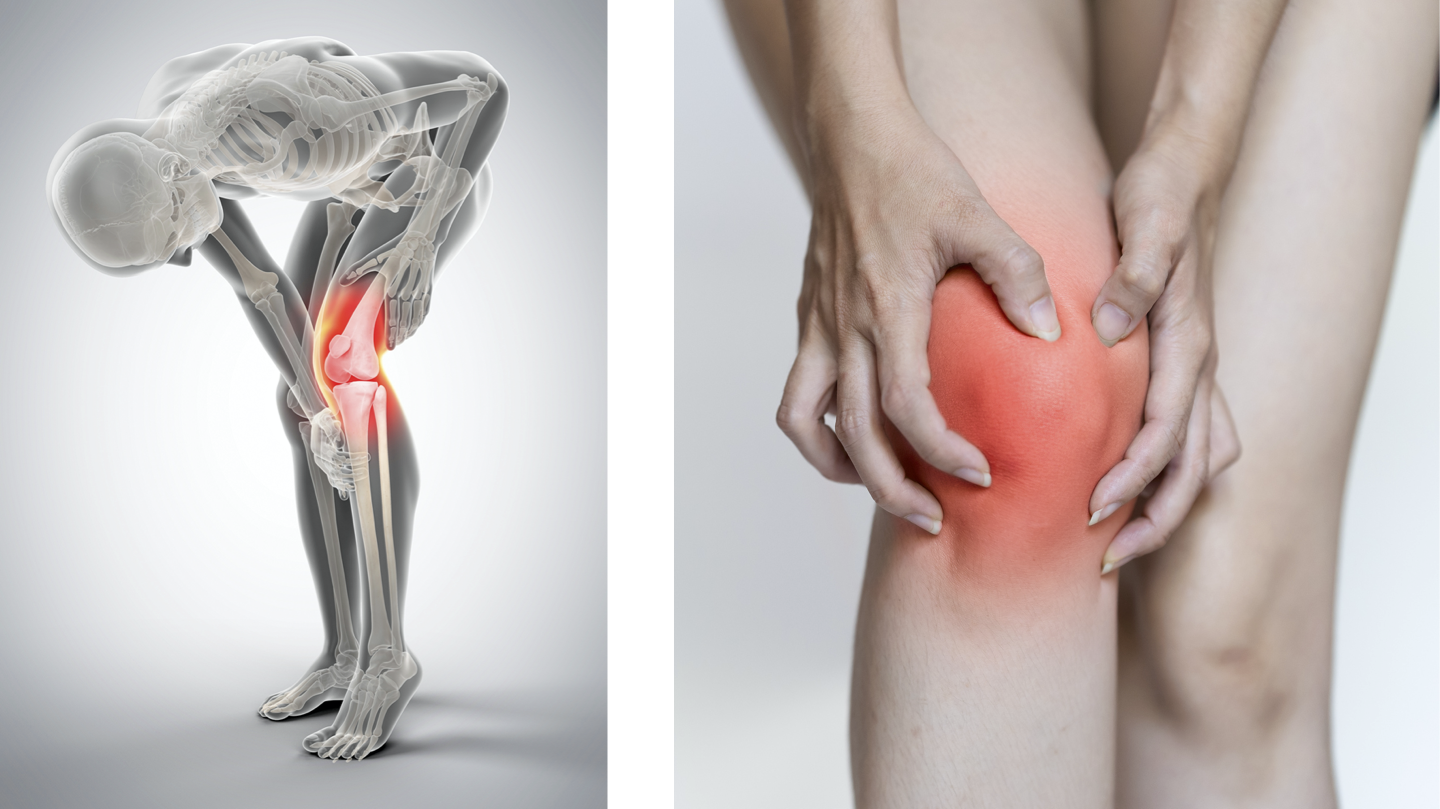
When we move, muscles around the knee work together to bend and straighten the leg, allowing us to walk, run and perform various activities. As the knees bear 80% of our body weight when standing, it is at high risk of injury and general wear and tear.
Knee Injuries and conditions
Knee injuries and conditions can stem from various factors, including:
-
Trauma: Direct blows, falls or accidents can result in knee injuries such as fractures, dislocation of ligament (eg. ACL, MCL) tears.
-
Overuse: Repetitive movements or excessive stress on the knee joints, such as running, jumping or squatting can lead to overuse injuries such as patellar tendonitis.
-
Degenerative Changes: As we age, the cartilage in the knee joint wears down over time, leading to conditions such as osteoarthritis. The deterioration of the protective cartilage causes pain, stiffness and inflammation.
-
Poor Biomechanics: Muscles imbalances, poor alignment or abnormal movement patterns may predispose a person to conditions such as patellofemoral pain syndrome and future knee injuries.
-
Sports Injuries: Athletes participating in sporting activities that involve quick changes in direction, pivoting, or high impact movements increases the risk of knee injuries, such as a meniscus tears, ligament sprains & tears, and cartilage damage.
- Other Medical and Genetic Conditions: Certain medical conditions, such as rheumatoid arthritis, gout and obesity can also affect the knee joint, leading to inflammation, pain and decreased function.
Types of Knee Braces and Their Uses
Choosing the right knee brace starts with understanding the different types available and what they are used for. Here are the most common types:
1. Prophylactic Knee Braces
Prophylactic knee braces are designed to protect the knees from injuries during contact sports like football or rugby. They provide external support to reduce the risk of ligament injuries, making them commonly used by athletes.
Prophylactic braces are ideal if you want to continue participating in high-impact sports while minimizing the chance of knee injuries by stabilising the joint during sudden movements and impacts.
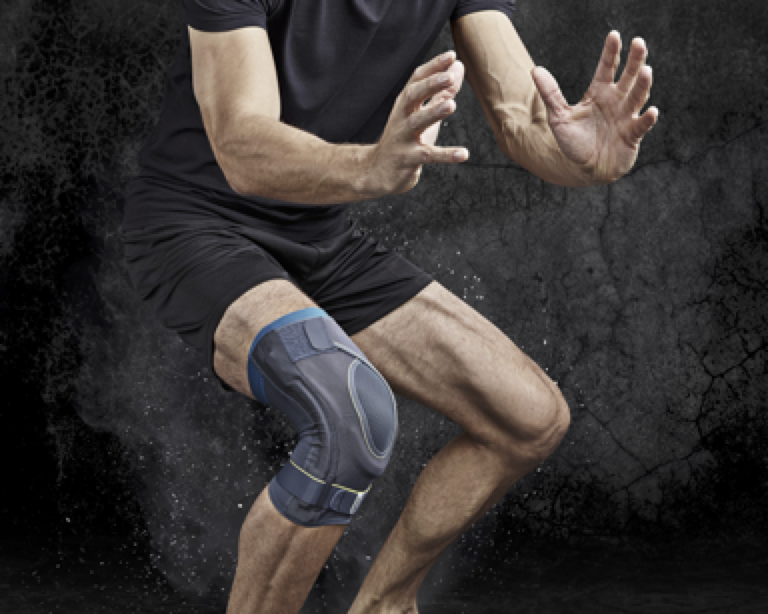
An example of a prophylactic knee brace is the Push Sport Hinged Knee Brace, which is frequently used by soccer players for its durability and strong ligament support.
2. Functional Knee Braces
If you’ve previously injured your knee, a functional knee brace can help you recover. It provides support to already damaged ligaments, helping stabilise the knee and allowing you to resume activities. They are popular among those who have had ACL (Anterior Cruciate Ligament) injuries and are working towards regaining full functionality.
Hinged Knee Braces fall under Functional Knee Braces and feature metal or plastic supports called hinges on either side of the knee to help control movement and prevent unnatural side-to-side motions, making them ideal for supporting ligaments such as the ACL, MCL, or LCL during recovery or physical activity. They offer stability, protection and relief from moderate to severe instability and pain.
3. Rehabilitative Knee Braces
After knee surgery or a significant knee injury, rehabilitative knee braces are often used to limit the knee’s movement, allowing it to heal properly. These braces are typically adjustable, which means you can gradually increase your range of motion as your recovery advances. This adjustability helps prevent further injury while ensuring the knee is supported during the critical healing process. Rehabilitative braces are particularly beneficial during the initial healing phase, providing the stability needed to protect delicate tissues and promote a safe, effective recovery.
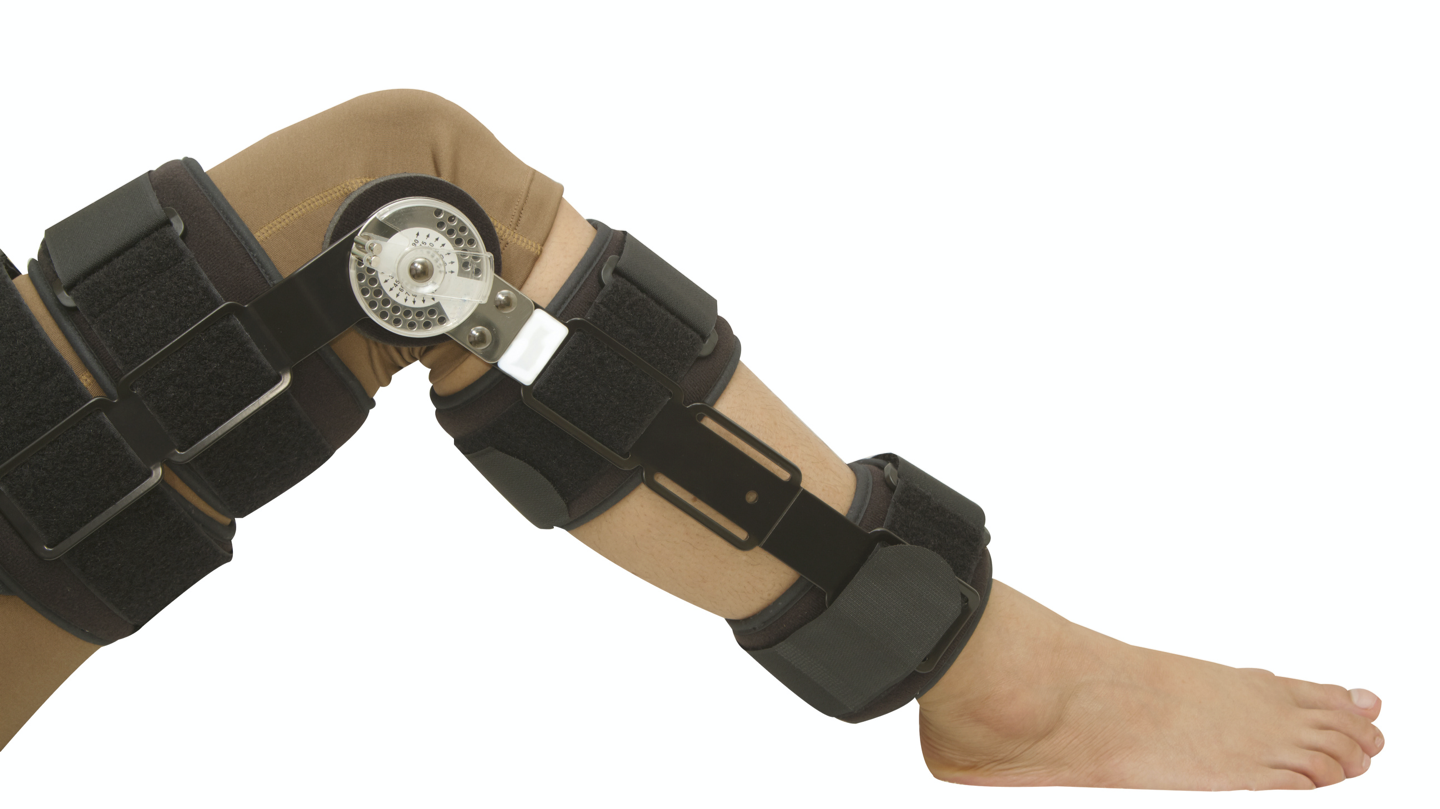
ROM knee braces fall under the Rehabilitative Knee Braces. They are designed to control and gradually increase the knee's movement during recovery from surgery or injury, allowing you to adjust the range of motion as you heal. Their primary function is to aid in rehabilitation by providing support and preventing further injury while promoting a controlled, progressive return to full knee function.
4. Unloader Knee Braces
Unloader braces are commonly prescribed for people with osteoarthritis, as they are specifically designed to alleviate pain by redistributing weight away from the affected area of the knee.
By shifting the load to the healthier side of the joint, these braces help to significantly reduce pressure on the damaged part, which not only lessens pain but also improves stability and overall mobility.
This can make a substantial difference in day-to-day activities, allowing individuals to move more comfortably and maintain an active lifestyle despite arthritis.
Factors to Consider When Choosing a Knee Brace
When selecting the right knee brace, it’s crucial to consider your specific needs and circumstances. Here are a few factors to keep in mind:
-
Type of Injury or Condition: Different knee braces are designed to address different issues. Identifying whether your need is injury prevention, post-injury recovery, or arthritis management will guide your choice.
-
-
Level of Support: Braces vary in the level of support they provide. If you require minor support, a lightweight compression sleeve might be sufficient. For more serious conditions, you might need a sturdier brace with reinforced structures.
-
Comfort and Fit: A knee brace that doesn’t fit well won’t be effective and could cause further problems. Make sure to take proper measurements and follow the manufacturer’s sizing guide. Look for braces made with breathable, soft materials to avoid discomfort.
-
Activity Level: Consider the activities you’ll be doing while wearing the brace. Some braces are bulkier and more restrictive, while others are designed to offer support without limiting movement, perfect for sports and exercises.
Tips for Using a Knee Brace Effectively
-
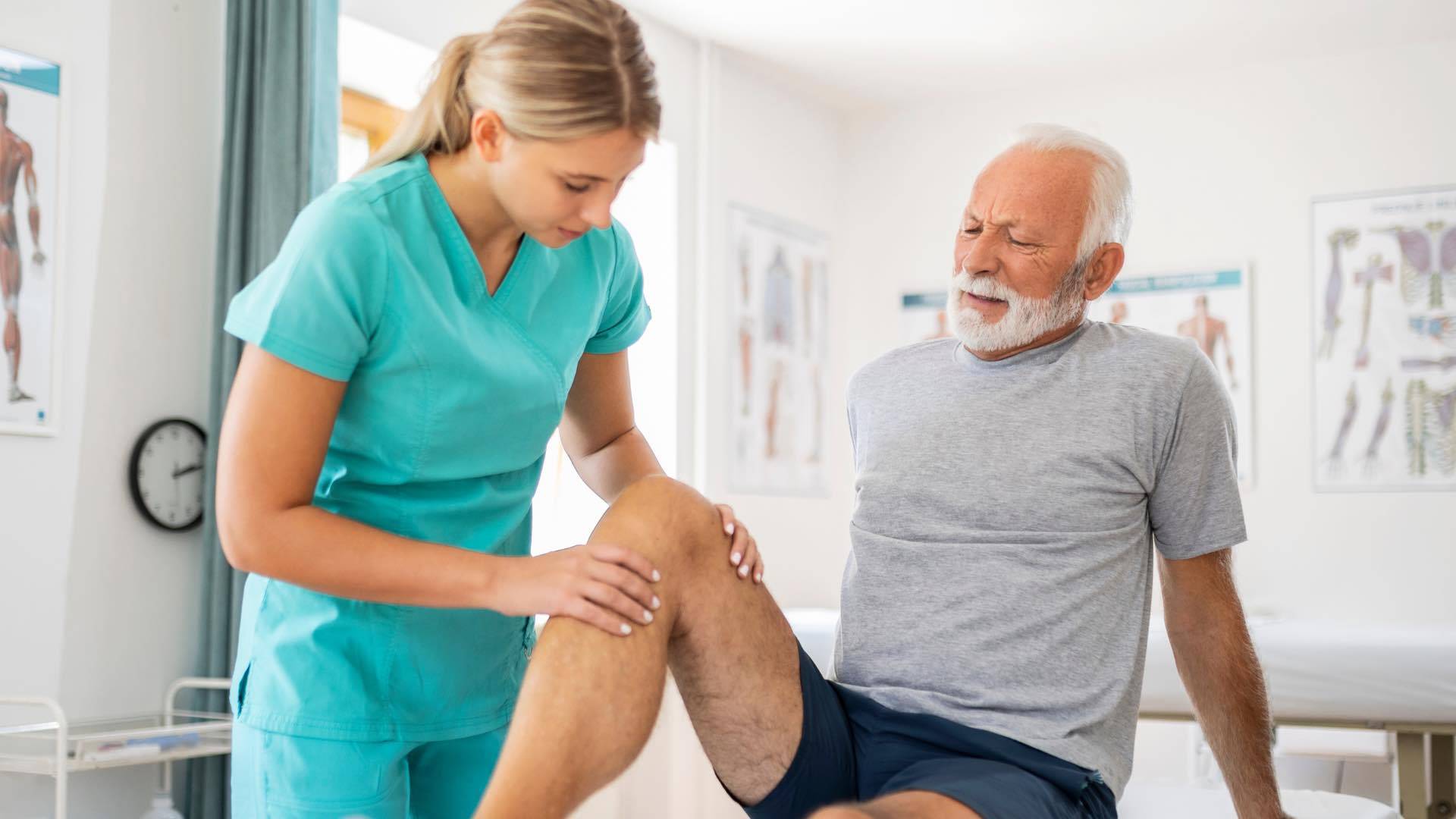
Consult with a Healthcare Professional: It’s always a good idea to consult with a physiotherapist or doctor before using a knee brace. They can provide guidance on the type of brace that’s most suitable for your condition.
-
Follow Instructions: Make sure you wear the brace as directed. Incorrect use can lead to discomfort or even exacerbate the injury.
-
Regularly Check for Wear and Tear: Knee braces can wear out over time, especially if you’re active. Inspect your brace regularly and replace it if you notice signs of damage or reduced effectiveness.
Conclusion
Choosing the right knee brace can make a significant difference in your comfort, mobility, and overall knee health. Understanding the different types of braces and considering your unique needs—such as injury type, support level, and activity—will help you make an informed choice. Whether you’re looking to prevent an injury or support an existing condition, the right knee brace can be a key ally in your journey towards better health.
At Bettercaremarket, you can find the knee support that you need. View our full range of knee braces and splints on our website.
If you’re still unsure about which knee brace is best for you, consider speaking with a healthcare professional for tailored advice. Remember, taking proactive steps today will help you maintain an active and fulfilling lifestyle tomorrow.
About Bettercaremarket
Bettercaremarket is your leading supplier of healthcare essentials and your #1 destination for quality incontinence supplies, mobility equipment, independent living aids for seniors, disability aids, rehab and therapy products and medical supplies.
We help NDIS-participants, aged care facilities, home care package providers, occupational therapists and allied health providers find the best solutions to solve their needs.