A Guide to Eating Well with Diabetes
Receiving the diagnosis of diabetes often brings up common questions like, “What can I eat?” and “What should I avoid?” While there are recommended eating patterns for managing diabetes, it’s not about labeling foods as ‘good’ or ‘bad.’ With so much information out there, figuring out the best food to eat, can be challenging.
In this blog, we will give you the right knowledge to help you control diabetes.
Where to Begin?
The best starting point is to understand the role of macronutrients. Just as cars need fuel to run, our bodies prefer carbohydrates as their primary fuel source. Carbohydrates come in two forms: starches and sugars.
Starches
Starches include grains like wheat, barley, oats, rye, rice, and foods made from these grains, such as bread, breakfast cereals, pasta, and noodles.
Starchy vegetables like potatoes, sweet potatoes, corn, and dried legumes like lentils, beans, and split peas also fall into this category.
Sugars
Sugars can be naturally occurring or added. Natural sugars are found in fruits (fructose) and milk (lactose). Added sugars are often present in many processed foods and drinks, such as confectionery and soft drinks.
Choosing the right amount and type of carbohydrate-rich foods is crucial for managing your blood glucose levels effectively.
A Healthy Diet
A healthy diet is the key for diabetes management and a healthier way of life for everyone. Healthy eating is about enjoying foods from the five food groups. Choose from a variety of vegetables, fruit, wholegrain food, healthy proteins and dairy products.
By making these small changes, you can really boost your health.
Sugary treats can be pretty empty in terms of nutritional value. So why not try out some better options that can help you manage both your diabetes and your sweet tooth?
Healthy staples to add to your menu
Focus on whole and minimally processed foods, including fiber- and nutrient-rich whole grains, vegetables, fruits, legumes, healthy proteins, and healthy fats.
1.Vegetables:
Vegetables are a rich source of nutrition and can be divided into nonstarchy and starchy categories, with starchy vegetables containing more carbohydrates. Eating a variety of vegetables is recommended, including fresh, frozen, and canned options with low sodium content.
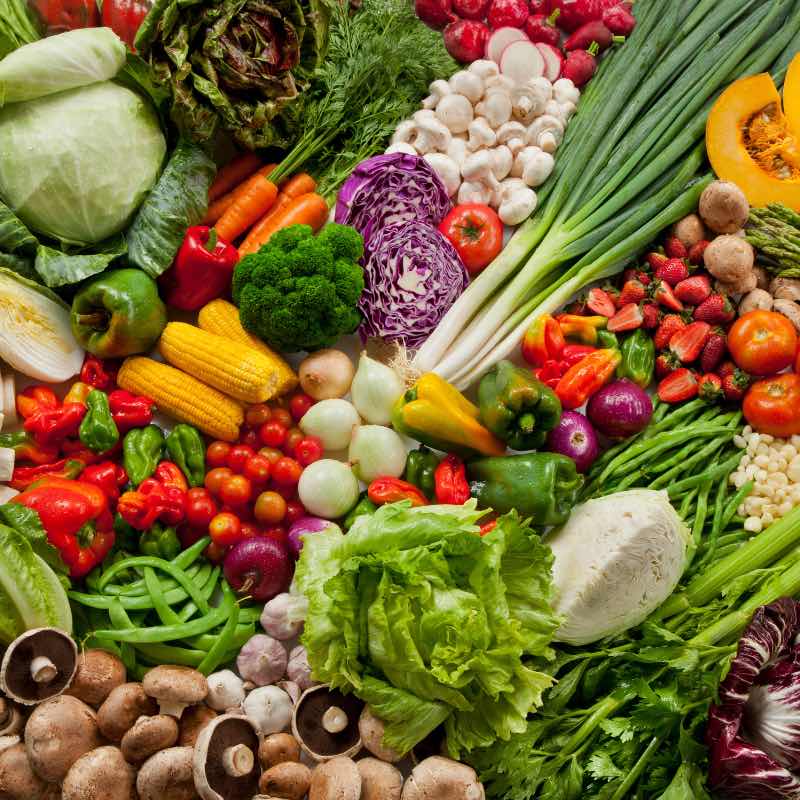
1.1 Nonstarchy vegetables include: spinach, broccoli, capsicum, carrots, cauliflower, Brussels sprouts, asparagus, celery, tomatoes, zucchini and mushrooms
1.2 Starchy vegetables include : Potatoes, pumpkin, sweet potatoes, corn and peas
2. Fruits
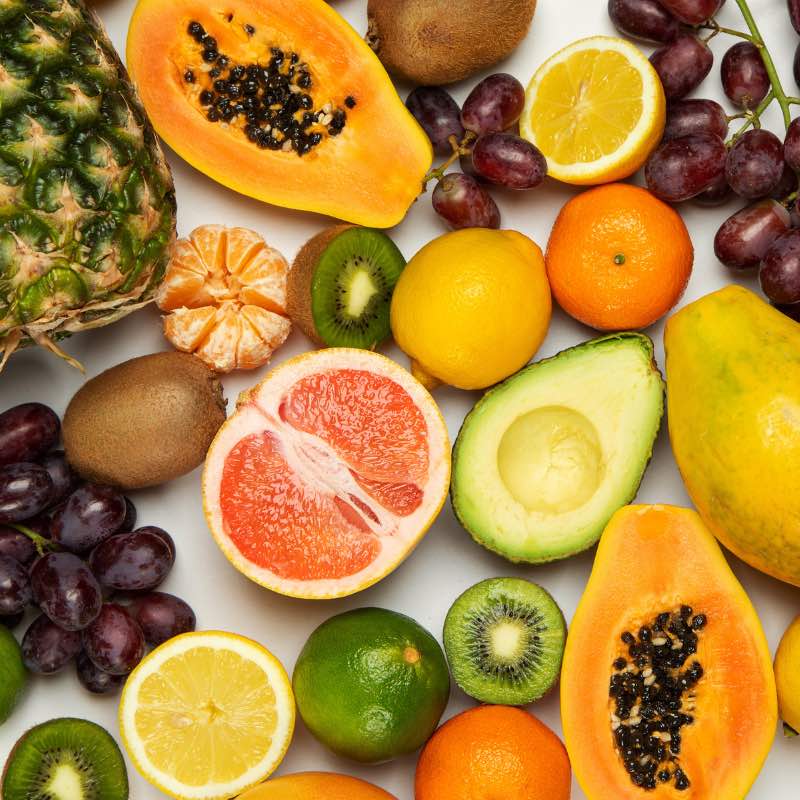
Fruits including frozen ones, are a good choice for people with diabetes as they contain carbohydrates, nutrients, and fiber to minimise blood sugar spikes. Try apples, berries, melon, grapes, oranges, mandarines, bananas or plums.
3.Beans & Nuts
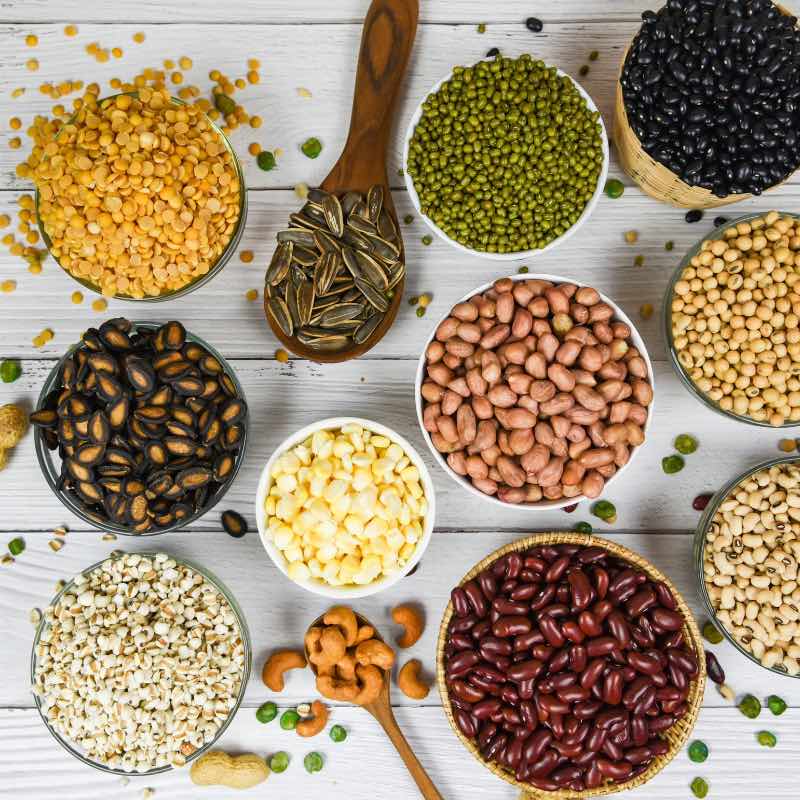
Dried beans bought in bulk are an affordable and healthy source of protein, fiber, and carbohydrates, and can be easily prepared like black beans, butter beans, chickpeas, kidney beans or split peas.
Nuts and Seeds contain plant-based protein and healthy fats with low carbohydrates. Choose low-sodium or no-salt-added options when you can, like almonds, walnuts, pecans, pistachios, peanuts, hazelnuts, chia seeds, flaxseeds or hemp seeds
4. Grains
People with diabetes can still consume grains and starches, but should choose whole grains at least 50% of the time. Be mindful of your portions, and add non-starchy veggies to bulk up servings.
- Rice, oats, quinoa, barley
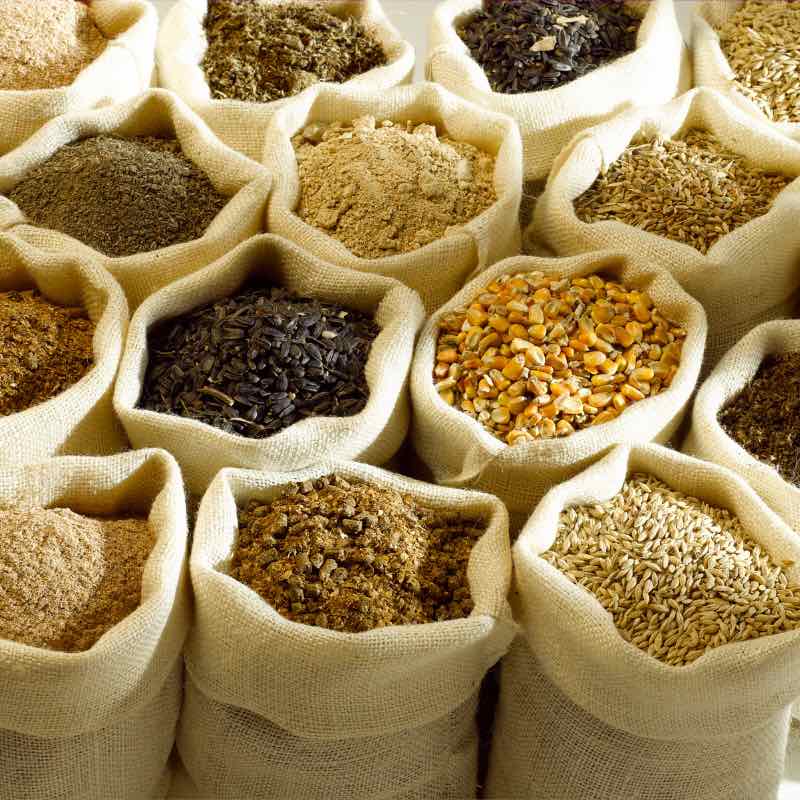
Try bean-based pasta such as lentil, chickpea, black bean, whole-wheat, or pasta made from quinoa or brown rice. Look for 100% whole grain bread (1 slice) or healthy cereals.
5. Proteins
We recommend consuming a variety of lean protein sources, including seafood twice a week, and limiting protein portions to 3-4 ounces of cooked meat.

Good proteins consist of:
- eggs
- fish and other seafood, including prawns, salmon, cod, scallops, sardines and tuna
- poultry, including chicken breast, chicken thighs and minces chicken and turkey
- lean red meat, such as beef tenderloin, flank steak, lean minced beef or sirloin
6. Dairy
Dairy products contain carbohydrates but also provide protein, calcium, and vitamin D; choose low-fat options to limit saturated fat and avoid flavoured products with added sugars.
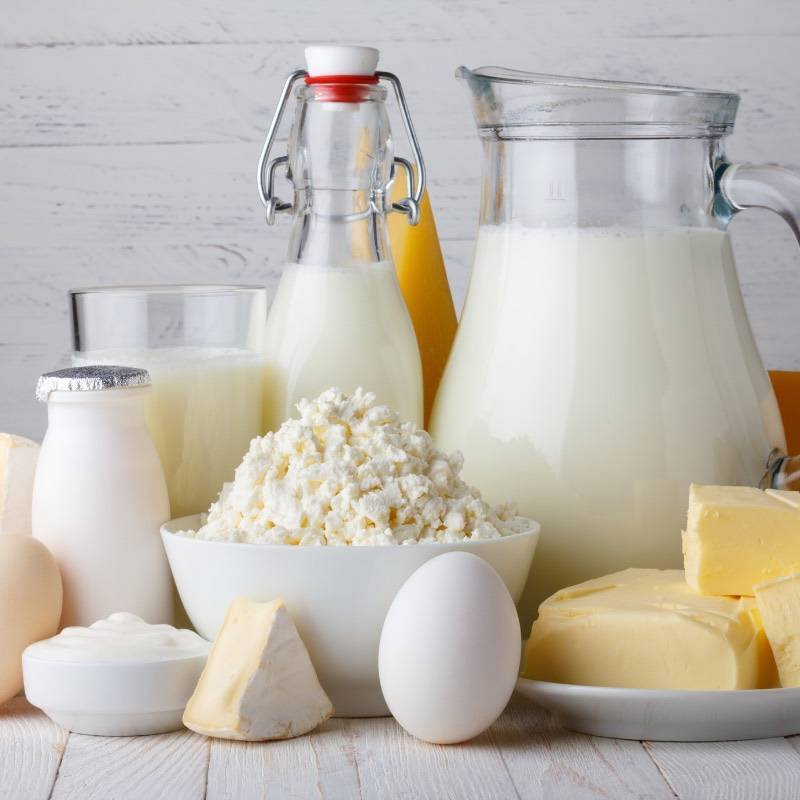
- milk
- plain yogurt
- cottage cheese
- cheese, such as Cheddar or Swiss cheese
Foods to avoid
For people with diabetes, maintaining a healthy diet is important. That is why we recommend limiting processed food. Choose wisely and read the Nutrition Facts label and ingredients list.
When choosing processed food, pay attention to the serving size, saturated fat, sodium, total carbohydrates, and sugar listed in the ingredient list.
Limit sugar-sweetened beverages, packaged pastries, refined grains (like in white bread), sweetened fruits, and processed meats (like sausage and bacon)

Conclusion
With this variety of food, you can successfully manage your diabetic condition and reduce any potential complications. This approach can effectively regulate your blood sugar levels, lower possible inflammation, reduce the risk of heart disease, and minimise the chance of kidney disease.
We would recommend seeing a dietitian to help develop a personalised and effective nutrition plan that suits your specific needs and preferences.
Check our Diabetes Care Category for our range of diabetes products from blood glucose monitors, foot care creams and diabetic essentals.
We hope this blog has helped you understand the impact of food when living with diabetes. If you would like to know more, we have other useful articles on diabetes:
What is normal blood pressure?
How to control diabetes in seniors?
Don't ignore the early signs of diabetes: they could save your life!
About Bettercaremarket
Bettercaremarket is your leading supplier of healthcare essentials and your #1 destination for quality incontinence supplies, mobility equipment, independent living aids for seniors, disability aids, rehab and therapy products and medical supplies.
We help NDIS-participants, aged care facilities, home care package providers, occupational therapists and allied health providers find the best solutions to solve their needs.