We understand how debilitating pain can be and the impact it can have on your daily life. Living with pain is challenging, but we believe that a holistic approach to pain management can make a significant difference. Natural remedies offer a gentle and sustainable way to alleviate pain without relying solely on medication. By incorporating these pain relievers into your lifestyle, you can take control of your pain and regain the freedom to live a fulfilling life.
Throughout this blog, we will explore six effective natural remedies that can help you manage pain and don’t require an invasive procedure. From Tens machines to mind-body techniques, we'll cover a wide range of approaches that have been shown to provide relief for various types of pain. So, let's dive in and uncover the secrets to natural pain management together.
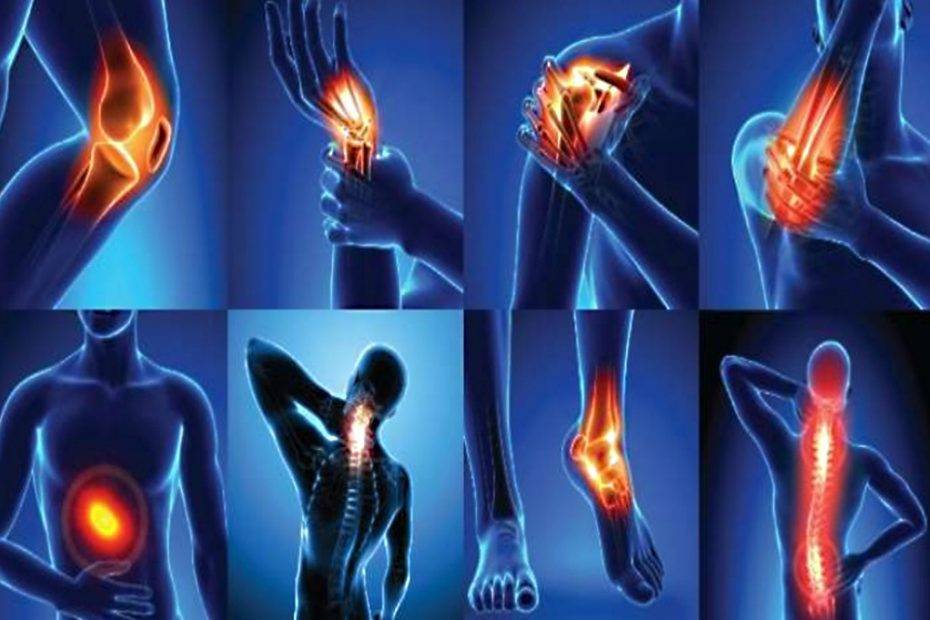
I. Understanding the Nature of Pain
Pain is more than just a physical sensation; it can have a profound impact on your overall wellbeing. It's important to have a clear understanding of what pain is and why managing it effectively is crucial.
At its core, pain is your body's way of signaling that something is wrong. It can result from various factors such as injury, inflammation, or underlying health conditions. Not only does pain affect you physically, but it can also take a toll on your emotional and mental state.
Managing pain effectively is essential because chronic or unmanaged pain can interfere with your daily activities, disrupt your sleep, and even lead to feelings of frustration and despair. By addressing pain proactively, you can regain control of your life and improve your overall quality of life.

Taking a holistic approach to pain management means considering the physical, emotional, and mental aspects of your wellbeing. While medication can provide temporary relief, natural remedies offer a complementary and sustainable way to address pain from a broader perspective.
By adopting natural pain management techniques, you can minimise reliance on medications and their potential side effects. Additionally, these remedies often promote overall health and well-being, addressing the root causes of pain rather than merely masking the symptoms.
Remember, everyone experiences pain differently, and what works for one person may not work for another. It's important to approach pain management with an open mind and be willing to explore different remedies to find what works best for you.
II. Remedies for Natural Pain Relief
When it comes to natural pain relief, there are a range of remedies that can help alleviate your discomfort. We will explore six effective remedies that have shown promising results in managing pain. Don’t forget, these remedies are meant to complement professional advice and should be incorporated into your routine with care and consistency.

1. Tens machines
One powerful tool for pain relief that you may want to consider is a TENS unit. TENS machines are compact, portable devices that deliver low-voltage electrical currents to the body through electrodes placed on the skin near the site of pain.
How does a Tens machine work?
The electrical pulses - generated by the TENS machine - work by stimulating the nerves in the affected area. This stimulation has several beneficial effects on pain management.
Firstly, it can help block pain signals from reaching the brain, effectively reducing the sensation of pain.
Secondly, the electrical stimulation can promote the release of endorphins, which are the body's natural pain-relieving chemicals, providing a natural analgesic effect.
Lastly, TENS therapy can also increase blood circulation to the area, facilitating the delivery of oxygen and nutrients while promoting the removal of waste products.
Adjustable intensity and duration
TENS machines are typically user-friendly and allow you to adjust the intensity and frequency of the electrical pulses according to your comfort level. They offer a non-invasive, drug-free option for pain relief that can be used in the comfort of your own home.
When using a TENS machine, you'll need to apply the electrode pads to the area of pain or along the corresponding nerve pathways. The device will then generate electrical pulses that you can adjust to your desired intensity.
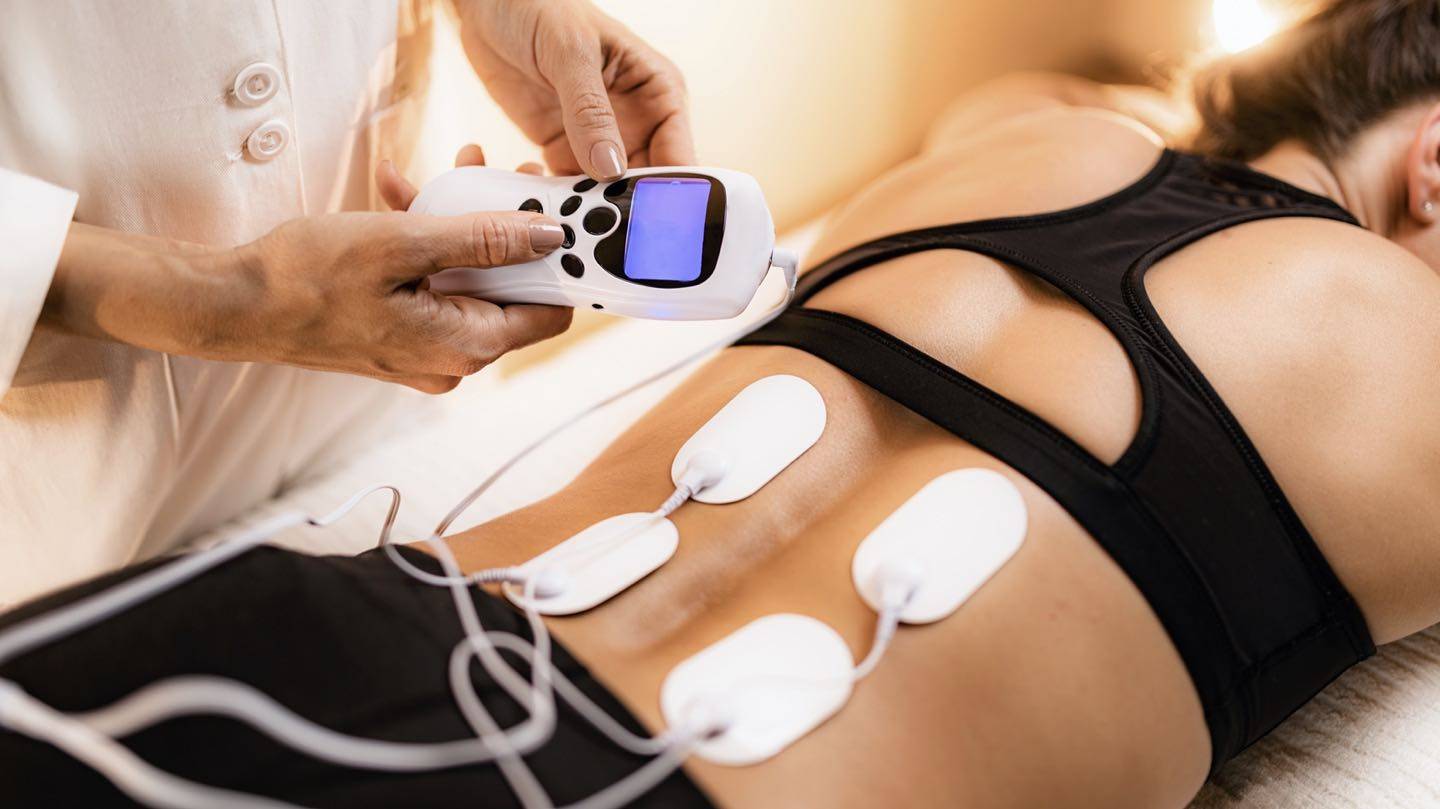
It's recommended to start with a lower intensity and gradually increase it until you reach a level that provides effective pain relief without discomfort. Each session typically lasts for about 15 to 30 minutes, and you can repeat the treatment as needed throughout the day.
Indication of use
TENS machines can be particularly beneficial for various types of pain, including muscular pain, inflammation, nerve-related pain, and even certain chronic conditions such as arthritis or fibromyalgia. However, it's important to note that while TENS machines can offer relief for many individuals, their effectiveness may vary from person to person.
We would advise to consult your doctor to determine if a TENS machine is suitable for your specific type of pain and to receive proper guidance on usage and settings.
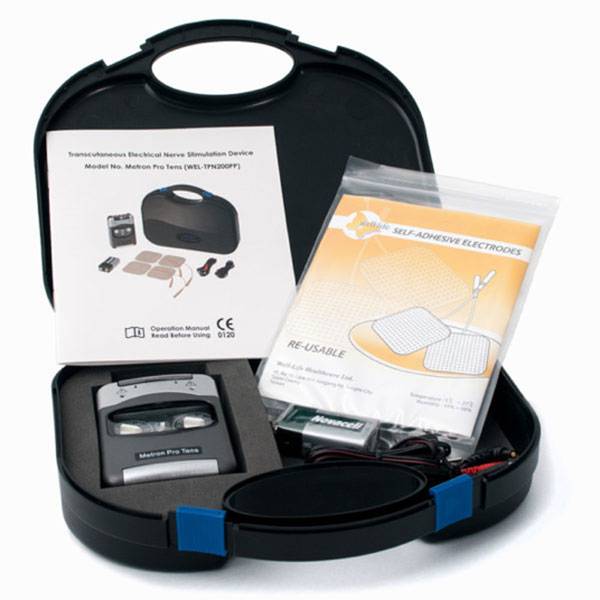 |
Pro Tens Unit – Metron | This electrotherapy device is proven to beat chronic pain. With the adjustable buttons, you can set the level of electrical current that is right for you. Comes in a sturdy case. |
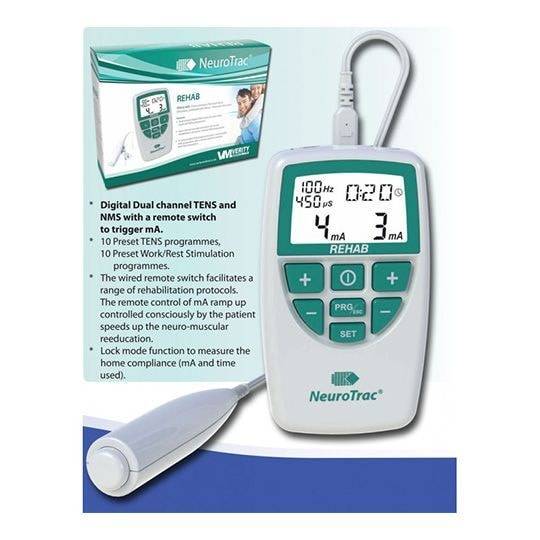 \ \ |
Neurotrac | When it comes to portable and accessible electrotherapy devices, the Neurotrac Rehab is a leading Tens machine. The Neurotrac can be used on-the-go to supercharge recovery following an injury. Can also be used for muscle rehabilitation with NMES. |
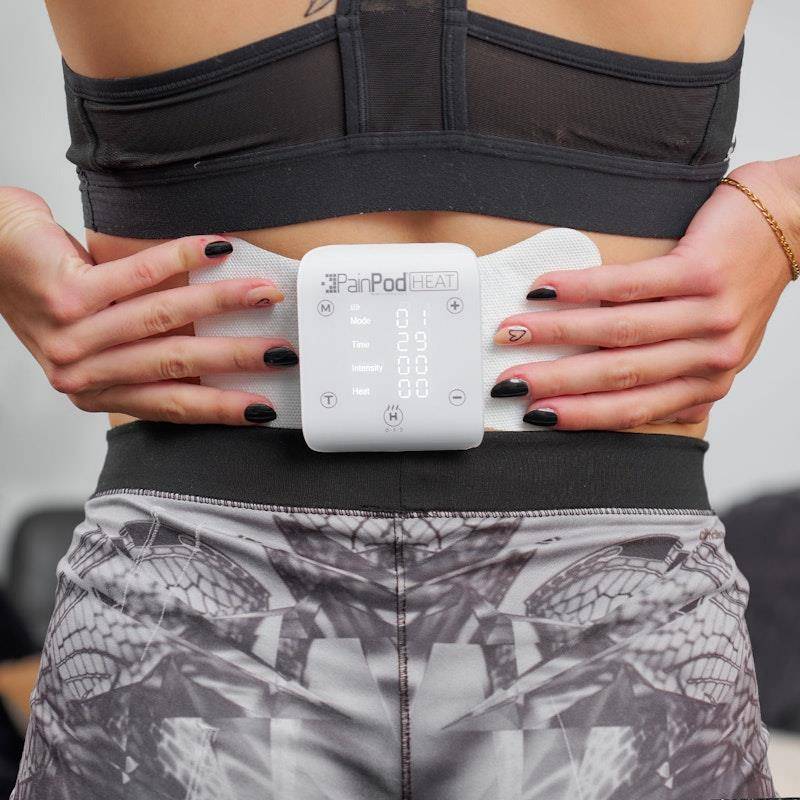 |
PainPod heat | The PainPod Heat is a unique device that uses a combination of Tens technology and heat therapy. It is ideal for managing different types of pain, such as arthritis, back pain, calf strain, shoulder pain and more. |
 |
PainGone Plus Pen |
The PainGone Plus Pen is a useful and extremely discreet Tens device that can be used on your arm, leg and knee. Especially suitable for those who want pain relief on the go: it fits in your bag! It just takes a few minutes per treatment. |
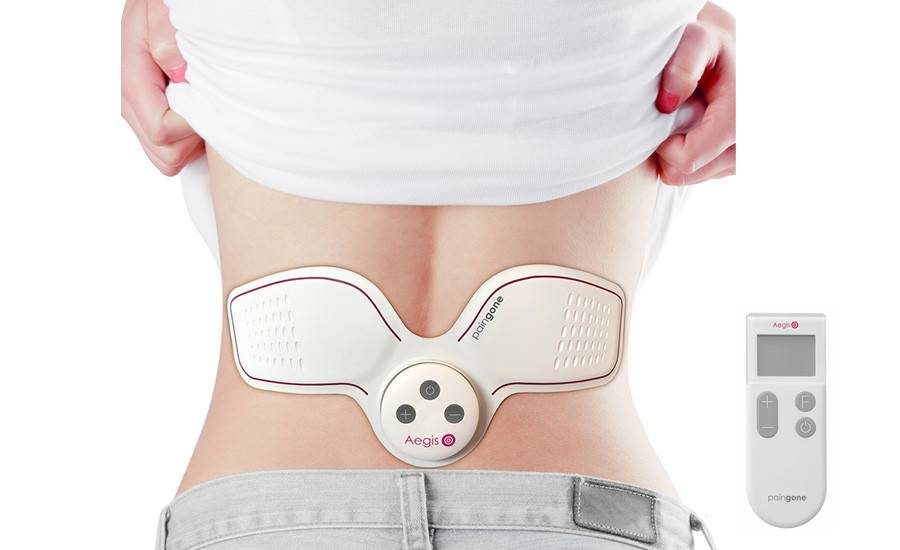 |
Tens machine PainGone Aegis – tens unit for back pain | If your pain affects your back, try this targeted tens unit, the PainGone Aegis. It allows you to gain the soothing gentle effects of pain relief without the hassle of wires |
2. Pain relieving gels
Pain-relieving gels are topical formulations that can provide targeted relief for both acute and chronic pain. These products are designed to be applied directly to the skin, allowing the active ingredients to penetrate the affected area and provide localised relief.
Localised pain relief
One advantage of using pain-relieving gels is that they target the specific area where the pain is experienced. This localised application allows for better control and instant and long lasting relief for aching muscles or joints.
Active ingredients
For acute pain, such as muscle strains or sprains, pain-relieving gels can offer immediate soothing and cooling effects. The active ingredients, such as menthol or camphor, work by numbing the area and providing a sensation of relief. They can help reduce inflammation, swelling, and discomfort, allowing you to recover and regain mobility more comfortably.
For chronic pain
In the case of chronic pain, such as arthritis or neuropathy, pain-relieving gels can provide ongoing relief. These formulations often contain ingredients like capsaicin, lidocaine, or NSAIDs (non-steroidal anti-inflammatory drugs). When applied regularly to the affected area, they can help alleviate pain, reduce inflammation, and improve overall comfort.
Suitable option
Pain-relieving gels can be a valuable addition to your pain management toolkit. However, it's important to note that these products are intended for symptomatic relief and should not replace a comprehensive treatment plan or medical advice. Be sure to consult with your GP to determine the most suitable options for managing your specific type of pain.
|
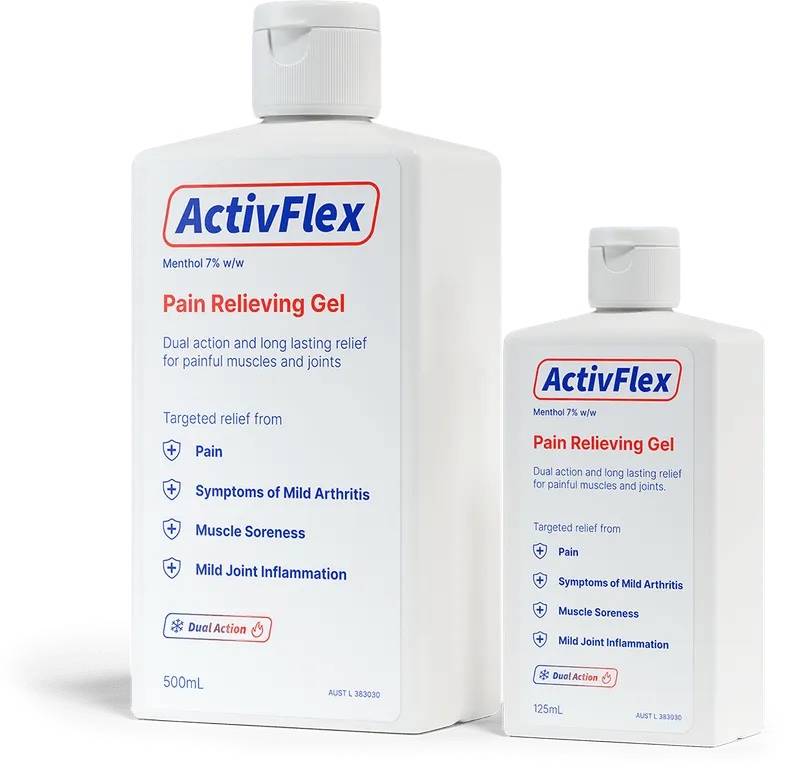
ActivFlex Pain Relief Gel | ActivFlex is a premium gel that can relieve pain and boost your recovery |
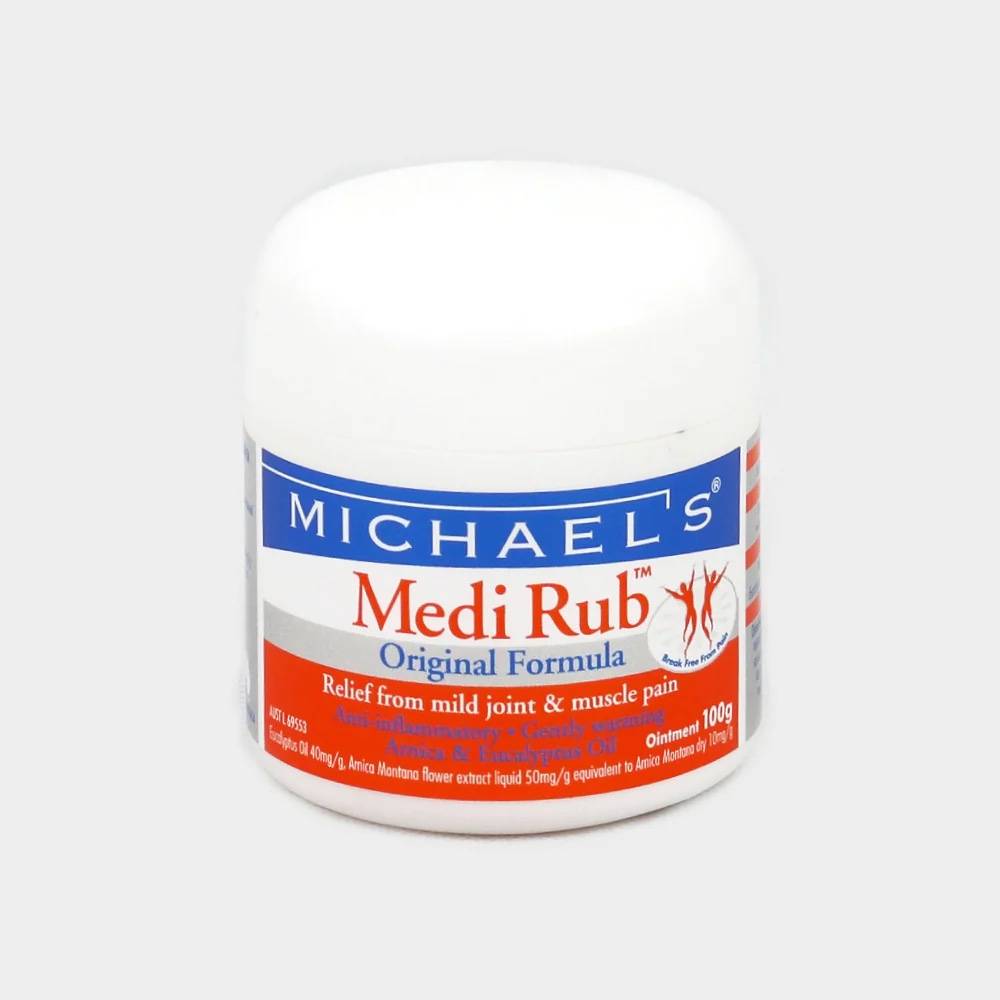 |
Michael's Medi Rub | A warming, therapeutic massage ointment to temporarily relieve joint and muscle pain and reduce inflammation |
3. Heat & cold therapy
Heat and cold therapy are effective modalities for reducing pain and promoting healing.
Both therapies work by altering the perception of pain and modifying the inflammatory response in the body.
Heat therapy
Heat therapy such as applying warm compresses, using heating pads, or taking warm baths, helps to increase blood flow, relax muscles, and relieve stiffness. It can be particularly beneficial for chronic conditions, such as arthritis or muscle tension.

Cold therapy
Cold therapy or cryotherapy include cold packs or ice packs. They numb the area, reduce inflammation, and constrict blood vessels, providing immediate pain relief for acute injuries, swelling, or acute pain flare-ups.
Alternating between heat and cold therapy, known as contrast therapy, can also be beneficial for certain conditions.
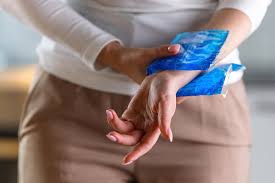
It's important to use heat or cold therapy safely, following recommended time frames and using protective measures to prevent skin damage.
By incorporating heat and cold therapy into a pain management plan, you can experience significant pain reduction, improved mobility, and enhanced overall comfort.
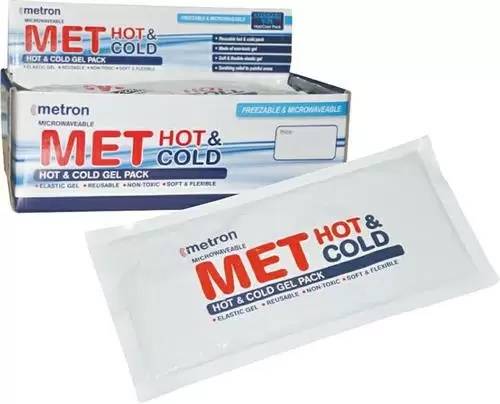 |
Hot & Cold Gel Pack by Metron | The Hot & Cold Pack brings powerful pain relief. The flexible gel pack is designed to be simple and quick, promising to warm up or freeze within a few minutes. Great reusable pad: used warm for muscle soreness, menstrual cramps or pain; used cold to reduce swelling and bruising! Ideal for users on the go. |
 |
Ice bag – Vulkan | The Vulkan Ice Bag is a handy reusable and ready to use ice pack. Perfect for treating head, knee, ankle or shoulder injuries. |
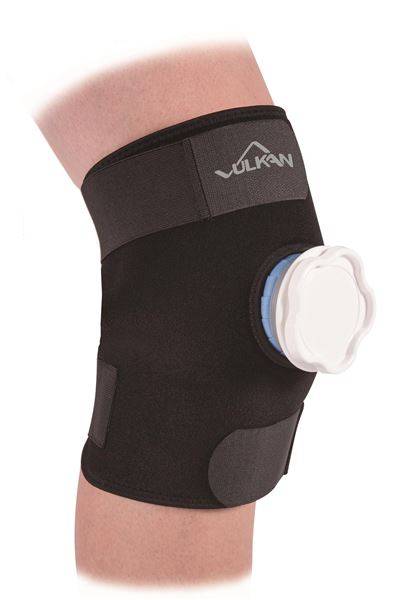 |
Knee Ice Wrap |
The Knee Ice Wrap from Vulkan is a flexible application to help treat pain and swelling around the knee, ankle or elbow with cold and compression therapy. |
4. Exercise
Exercise plays a crucial role in pain management and can have a transformative impact on individuals experiencing pain. Engaging in regular physical activity offers numerous benefits for managing pain, both acute and chronic.
Exercise helps to strengthen muscles, improve flexibility, and enhance overall physical function. By doing so, it can alleviate pain related to musculoskeletal conditions and promote better joint stability.
Physical activity also promotes the release of endorphins, natural pain-relieving chemicals in the body, leading to an improved mood and a reduction in pain perception.

Additionally, exercise can help manage weight, enhance cardiovascular health, and improve sleep quality, all of which contribute to overall well-being and can indirectly impact pain levels.
It is important to tailor exercise programs to individual needs and abilities, taking into account any limitations. By incorporating regular exercise into a pain management routine, you can experience reduced pain, improved physical function, and an enhanced quality of life.
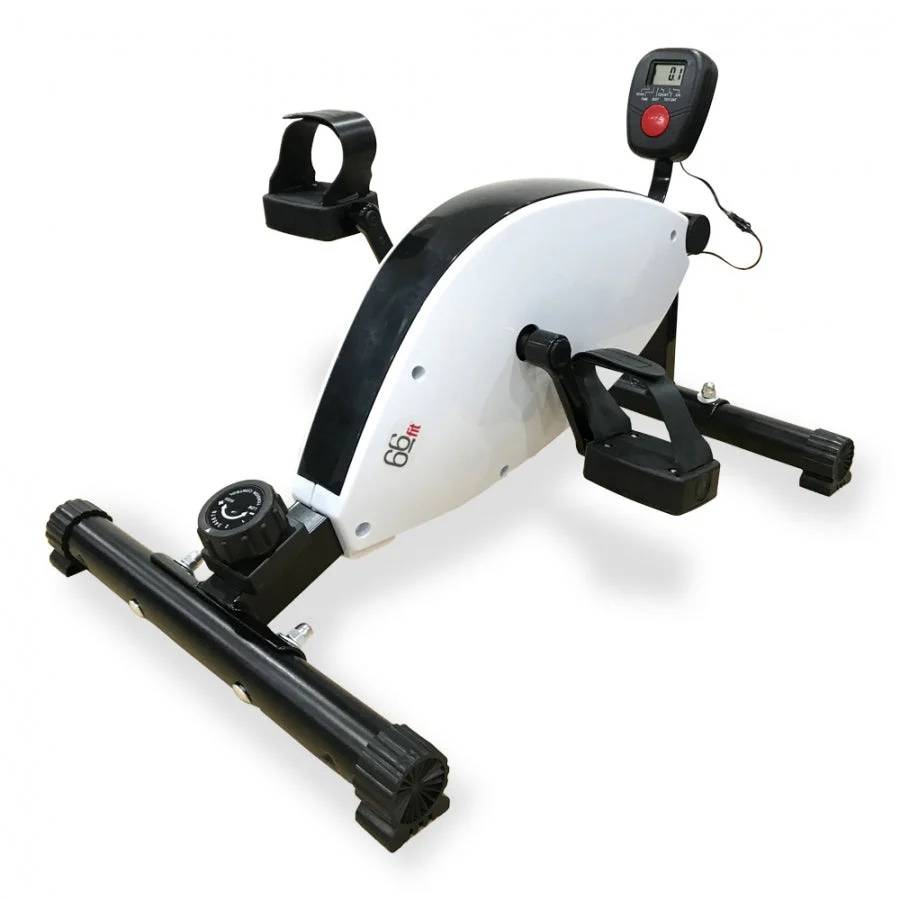 |
Mini Exercise Bike with magnetic resistance | A Magnetic Pedal Exerciser is the perfect low impact pedal exerciser for seniors. The device helps restore muscle strength, circulation and co-ordination to either the lower and upper extremities. |
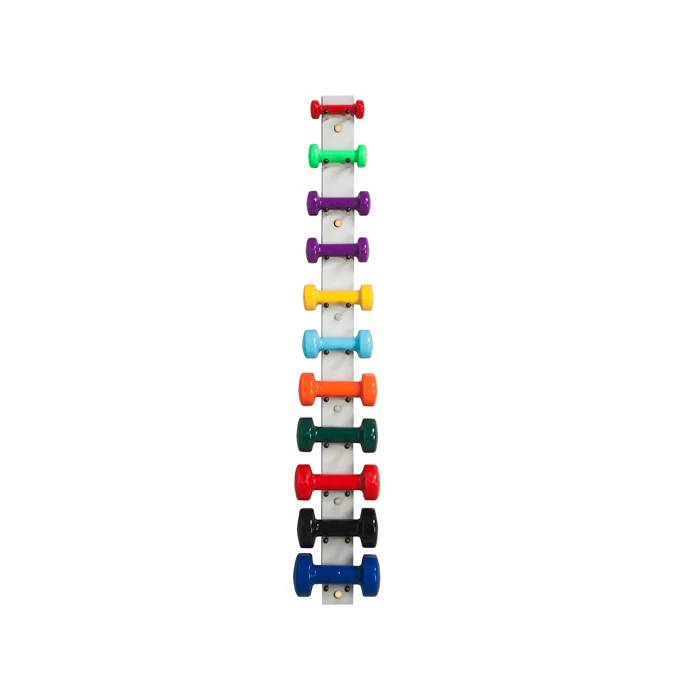 |
Dumbbells | Dumbbells are ideal for exercising at home. These dumbbells come in a variety of colours – each corresponding to a different weight. |
 |
Hand exercisers | If you are recovering from an injury to the arms or hands, hand exercisers are a great way to strengthen your fingers, hand, wrist or forearm. These small and easy to use exercisers are shaped to fit comfortably in your hand and designed to provide effective resistive hand therapy. Available in 4 colours, offering 4 different stages of resistance – from soft to firm - to allow gradual rehabilitation and a pleasant low-impact exercise. |
5. Food
Certain foods have been found to possess anti-inflammatory and analgesic properties, making them valuable additions to a pain-fighting diet. Incorporating these foods into your meals can help reduce inflammation, alleviate pain, and promote overall well-being.

Fatty Fish: Rich in omega-3 fatty acids, fish like salmon, mackerel, and sardines possess anti-inflammatory properties that can help reduce pain associated with conditions like arthritis. Omega-3’s also support overall heart and brain health.
Berries: Blueberries, strawberries, cherries, and other brightly coloured berries are packed with antioxidants that combat inflammation. They may help reduce muscle soreness and joint pain, promoting recovery and alleviating discomfort.
Turmeric: This vibrant yellow spice contains curcumin, a compound renowned for its anti-inflammatory effects. Integrating turmeric into your meals or enjoying a warm cup of turmeric tea can help reduce pain and inflammation in the body.
Leafy Greens: Vegetables like spinach and kale are rich in antioxidants and other beneficial compounds that combat inflammation. These greens provide essential vitamins and minerals while supporting overall health and reducing pain.
Nuts and Seeds: Almonds, walnuts, flaxseeds, and chia seeds are excellent sources of healthy fats and antioxidants. They can help reduce inflammation and provide natural pain relief, promoting joint and cardiovascular health.
Ginger: Known for its natural pain-relieving properties, ginger has been used for centuries to alleviate various types of pain. Incorporate fresh ginger into your cooking, sip ginger tea, or enjoy it as a natural addition to smoothies.
Olive Oil: Extra virgin olive oil contains polyphenols that possess anti-inflammatory properties. It can be used as a healthier alternative to other cooking oils and added to salads for an extra dose of anti-inflammatory benefits.
Pairing these dietary choices with other natural pain management techniques can contribute to a holistic approach to pain relief and help you lead a more vibrant, pain-free life.
6. Mindfulness to alleviate pain
The power of mindfulness in alleviating pain should not be underestimated.
Mindfulness involves being fully present in the moment and cultivating a non-judgmental awareness of one's thoughts, emotions, and physical sensations.
How can mindfulness help with pain?
When applied to pain management, mindfulness can help you develop a new relationship with their pain and reduce suffering. By observing pain without judgment or resistance, mindfulness allows for a shift in perspective. Rather than getting caught up in the discomfort, you learn to acknowledge and accept the sensations they experience.
This shift in attitude can lead to a decrease in stress, tension, and emotional reactivity, all of which can amplify pain.

Mindfulness practices, such as meditation and deep breathing, provide tools to focus attention and cultivate a sense of calm. Through consistent practice, individuals can develop greater resilience, improved pain tolerance, and a more positive overall experience, empowering them to navigate pain with greater ease and well-being.
The advantage of meditation
The power of meditation to alleviate pain is remarkable. Meditation is a practice that involves training the mind to achieve a state of deep relaxation and heightened awareness.
By focusing attention and cultivating a sense of calm, meditation helps you redirect their awareness away from the sensation of pain. This shift in attention allows for a reduction in the perception of pain and can lead to a decreased experience of suffering.
Through regular meditation practice, you can develop a greater ability to observe pain without becoming overwhelmed by it.
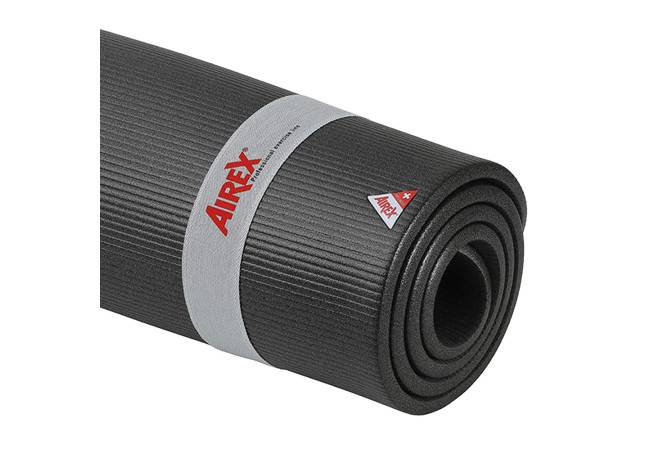 |
Yoga pilates exercise mat from Airex | Our quality exercise mat from Airex will help you work out in a safe way that doesn’t put too much strain on your body. This exercise mat protects your body from the hard ground as you are exercising or meditating. Ideal for use indoor and outdoor. |
 |
Essential oil | Use your favourite essential oil to create a relaxing and tranquil atmosphere at home. Use our ultrasonic vaporiser to diffuse the aroma. |
IV. Integrating Natural Remedies into Daily Life
Discovering effective natural remedies for pain relief is just the first step. To truly unlock the benefits they offer, it's important to integrate these remedies into your daily life consistently. By doing so, you can maximise their potential and experience long-term relief. Here are some practical tips for incorporating natural pain management remedies into your routine:

Establish a Routine: Create a daily routine that incorporates your chosen natural remedies. Set aside specific times during the day for activities such as meditation, exercise, or applying essential oils. Consistency is key, as regularity allows your body to adapt and respond to the remedies more effectively.
Start Small and Gradually Increase: If you're new to a particular remedy, start with small steps and gradually increase your engagement. For example, if you're incorporating exercising, begin with a few simple movements and gradually progress as you become more comfortable and confident. This gradual approach helps prevent overexertion or overwhelming yourself.
Personalise Your Approach: Tailor the remedies to your specific needs and preferences. Experiment with a Tens machine, pain relief gel, or mind-body techniques to find what works best for you. Everyone's body and pain experience are unique, so it's essential to personalise your approach and find the remedies that resonate with you.
Be Patient and Persistent: Natural remedies often take time to yield noticeable results. It's important to be patient and persistent in your practice. Rome wasn't built in a day, and similarly, the benefits of natural pain management remedies may take time to manifest fully. Stay committed, and over time you will likely experience the positive effects.
Track Your Progress: Maintain a pain diary or journal to track your progress. Document the remedies you try, the duration of relief they provide, and any changes in pain intensity or frequency. This will help you identify which remedies work best for you and enable you to make informed decisions about your pain management routine.
Combine Remedies for Synergistic Effects: Don't be afraid to combine different natural remedies to create a synergistic effect. For example, pairing Tens therapy with mindfulness meditation or using heat therapy in conjunction with exercise can enhance the overall efficacy of your pain management strategy. Experiment with different combinations and find what works best for you.
V. Useful links
We hope this blog has helped you discover the natural pain relievers. We also have a blog post which breaks down the specific devices you can use for your back, called "Back Pain Devices to relieve pain". If you are looking for devices to help you manage your pain when rehabilitating from an injury, we would recommend "Best drugfree pain relief devices after an injury".
VI. Conclusion
In this blog, we have explored a range of effective remedies that can help alleviate pain and improve your overall wellbeing. By adopting a holistic approach to pain management, you can find relief and regain control over your life.
From Tens machines and pain relieving gels to exercise, mindfulness techniques, heat and cold therapy, and the consideration of diet and nutrition, we uncovered a diverse array of natural remedies. Each of these remedies offers unique benefits and can be personalised to suit your specific needs and preferences.
By taking charge of your pain management and incorporating these natural remedies into your daily routine, you are empowering yourself to live a fuller, more vibrant life. Natural pain management is a journey, and your dedication to exploring different approaches will lead you to the relief and wellbeing you deserve.
Embrace the possibilities, stay resilient, and take those first steps towards a life with less pain and more joy.
About Bettercaremarket
Bettercaremarket is your leading supplier of healthcare essentials and your #1 destination for quality incontinence supplies, mobility equipment, independent living aids for seniors, disability aids, rehab and therapy products and medical supplies.
We help NDIS-participants, aged care facilities, home care package providers, occupational therapists and allied health providers find the best solutions to solve their needs.