Diabetes is a condition where your body either doesn't produce enough insulin or doesn't use insulin effectively. Diabetes can silently creep into your life.
Many people often overlook the early signs, which can lead to more severe health problems down the line. But here's the silver lining - catching it early can save your life. Spotting diabetes in its initial stages can keep you from life-threatening complications and set you on a path of effective management.
This blog will take you through understanding the types of diabetes, recognising the early signs, knowing when it's time to see a doctor, and ultimately, how to take preventive steps to lead a healthier life.

I. The Importance of Early Detection
Early detection - two words that could transform your life when it comes to managing diabetes. Catching diabetes at an early stage isn't just beneficial; it's crucial. It allows you to take control, minimize potential complications, and maintain a high quality of life.
The path to early diabetes detection
By recognising the early signs of diabetes, we can put effective management strategies in place, which can slow - or even halt - the progression of the disease. This could mean the difference between living a life constantly at war with your body, or one where diabetes is just an inconvenience.
Early detection isn't just about preventing worst-case scenarios — it's about reclaiming control over your life, even when faced with something as daunting as diabetes.
The path to managing diabetes starts with recognising the signs.
II. Understanding the Types of Diabetes
Before we explore the early signs, let's take a moment to understand the different types of diabetes. Each has its unique characteristics and signs, and being aware of these differences can help you spot potential issues early on.
Type 1 Diabetes is an autoimmune condition where your body attacks the cells in your pancreas that produce insulin. It's often diagnosed in childhood or adolescence, but it can occur at any age.
Type 2 Diabetes, the most common type, is when your body either doesn't produce enough insulin or resists its effects. Type 2 Diabetes can affect people at any age, although it's more common in adults.
Gestational Diabetes, occurs in some women during pregnancy due to hormonal changes. It usually goes away after the baby is born, but can increase the mother's risk of developing Type 2 diabetes later in life.
Understanding these types of diabetes is an essential step towards spotting their signs.
III. Early Signs of Diabetes
What are the early signs that could alert you to diabetes? The symptoms often appear mild or harmless at first, which is why they can easily be overlooked. But it's vital to pay attention to what your body is telling you.
Excessive Thirst and Frequent Urination:
These are often among the first signs that something might be amiss. When you have too much glucose (sugar) in your bloodstream, your kidneys work overtime to get rid of it, leading to frequent urination, which in turn can cause you to become dehydrated and thirsty.
Increased Hunger:
Diabetes can prevent your body from getting the energy it needs from your food, leading to constant hunger.
Unexplained Weight Loss:
Despite eating more than usual to relieve hunger, you may lose weight. Without the energy glucose supplies, your body starts to burn muscle and fat for energy instead.
Fatigue:
This can occur because the body can't properly convert food into energy.

Blurred Vision:
High levels of blood sugar can affect your eyes and cause blurred vision.
Slow-healing Sores or Frequent Infections:
Diabetes can affect your body's ability to heal and resist infections.
Tingling Hands and Feet:
Excess sugar in your blood can lead to nerve damage, causing a tingling sensation or even numbness.
If you're experiencing any of these symptoms, take them seriously and make an appointment with your doctor.
IV. Risks of Ignoring Early Signs
What happens if you choose to ignore the early signs of diabetes? As a doctor, I can't stress enough how risky it is to overlook these warning signs as they can potentially lead to complications, if diabetes goes unchecked or untreated.
a. Risks for your heart:
Diabetes dramatically increases the risk of various cardiovascular problems, including coronary artery disease, heart attack, stroke, narrowing of the arteries, and high blood pressure.

b. Nerve Damage or Neuropathy:
Excess sugar can injure the walls of the tiny blood vessels that nourish your nerves. Diabetes can cause so called “peripheral neuropathy”, a condition characterised by damage to the nerves, particularly in the feet and legs.
This can lead to symptoms such as numbness, tingling, pain, or weakness in the affected areas. Neuropathy can significantly impact mobility, balance, and overall quality of life.
c. Kidney Damage or Nephropathy:
Diabetes can damage the complex system of blood vessels in your kidneys, leading to kidney disease or even kidney failure in severe cases.
d. Eye Damage or Retinopathy:
Diabetes can damage the blood vessels of the retina, potentially leading to blindness. Diabetes also increases the risk of other serious vision conditions, such as cataracts and glaucoma.
e. Risks to other Organs and Systems:
Untreated diabetes can have detrimental effects on various other organs and systems in the body. Individuals with uncontrolled diabetes are at higher risk of developing infections, especially in the feet, due to impaired wound healing.
Poor blood sugar control can also affect the immune system, making it more difficult for the body to fight off infections.
Additionally, diabetes can contribute to poor oral health, nerve damage in the digestive system (gastroparesis), and an increased risk of bone and joint problems.
Additionally, diabetes increases the risk of developing other eye conditions, like cataracts and glaucoma.
f. Impact on Mental Health and Wellbeing
The consequences of diabetes extend beyond physical health. It can also take a toll on your mental wellbeing.
Coping with the challenges of managing diabetes can lead to stress, anxiety, and depression. The burden of constant monitoring, medication, and lifestyle adjustments can feel overwhelming, but with early intervention, you can better manage and prevent these emotional struggles.

Remember, your health is precious, and by recognising and addressing the early signs of diabetes, you're taking a proactive step towards safeguarding your overall wellbeing.
V. Seeking Medical Attention
When you notice the early signs of diabetes, it's crucial to take action and seek medical attention promptly. Your GP is your partner in managing and treating diabetes effectively. Here are some important steps to follow:
a. Importance of consulting a healthcare professional when noticing early signs
Don't hesitate to schedule an appointment with your doctor if you experience any symptoms that may indicate diabetes. Early detection can make a significant difference in managing the condition and minimising potential complications.
Your GP will conduct a thorough evaluation, review your medical history, and perform necessary tests to confirm a diagnosis.
b. Available diagnostic tests and screenings for diabetes
To determine if you have diabetes, your doctor may recommend various diagnostic tests. These can include a fasting plasma glucose test, an oral glucose tolerance test, or a glycated haemoglobin (A1C) test.
These tests measure your blood sugar levels and help your doctor make an accurate diagnosis. Depending on the results, your doctor will assist in determining the most appropriate course of treatment.
c. Discussing symptoms and concerns with your doctor
During your appointment, be sure to discuss all your symptoms and concerns openly with your doctor. Share any changes you've noticed in your body, including increased thirst, frequent urination, unexplained weight loss or gain, fatigue, blurred vision, or any other relevant symptoms. The more information you provide, the better equipped your doctor will be to evaluate your condition accurately.

Additionally, ask questions about diabetes management, treatment options, and lifestyle modifications. Understanding your condition, and the steps needed to control it, empowers you to actively participate in your own care.
Remember, your GP is there to support you, answer your questions, and guide you on your journey to managing diabetes effectively.
Managing Diabetes
Once you've been diagnosed with diabetes, effectively managing the condition becomes crucial for your overall health. With a combination of lifestyle modifications, medication, and regular monitoring, you can keep your blood sugar levels in check and reduce the risk of complications.
a. Lifestyle modifications: diet, exercise, and weight management
Diet: Work with a dietitian or diabetes educator to develop a balanced meal plan that suits your specific needs. Focus on consuming whole foods, including fruits, vegetables, lean proteins, whole grains, and healthy fats. Limit your intake of sugary and processed foods.

Pay attention to portion sizes and distribute your meals evenly throughout the day to maintain stable blood sugar levels. Remember, stable blood sugar levels help reduce the risk of complications.
Exercise: Regular physical activity is essential for managing diabetes. Aim for at least 2 1/2 hrs of moderate-intensity aerobic exercise per week, such as walking, swimming, or cycling.

Additionally, incorporate strength training exercises to improve muscle strength and insulin sensitivity. Consult your GP before starting any exercise program.
Weight management: Maintaining a healthy weight plays a significant role in diabetes management. If you're overweight, losing even a modest amount of weight can improve your blood sugar control.
Focus on gradual and sustainable weight loss through a combination of healthy eating and regular physical activity.
b. Medication options and adherence to treatment plans
Depending on the type of diabetes and your individual circumstances, your doctor may prescribe medications to help manage your blood sugar levels. These may include oral medications, insulin injections, or other injectable medications. It's important to take your medications as prescribed and follow the recommended dosages. Regularly check in with your GP to assess the effectiveness of your medication regimen.
c. Regular monitoring of blood sugar levels and preventive care
* Blood sugar monitoring: Regularly monitor your blood sugar levels as advised by your healthcare provider.
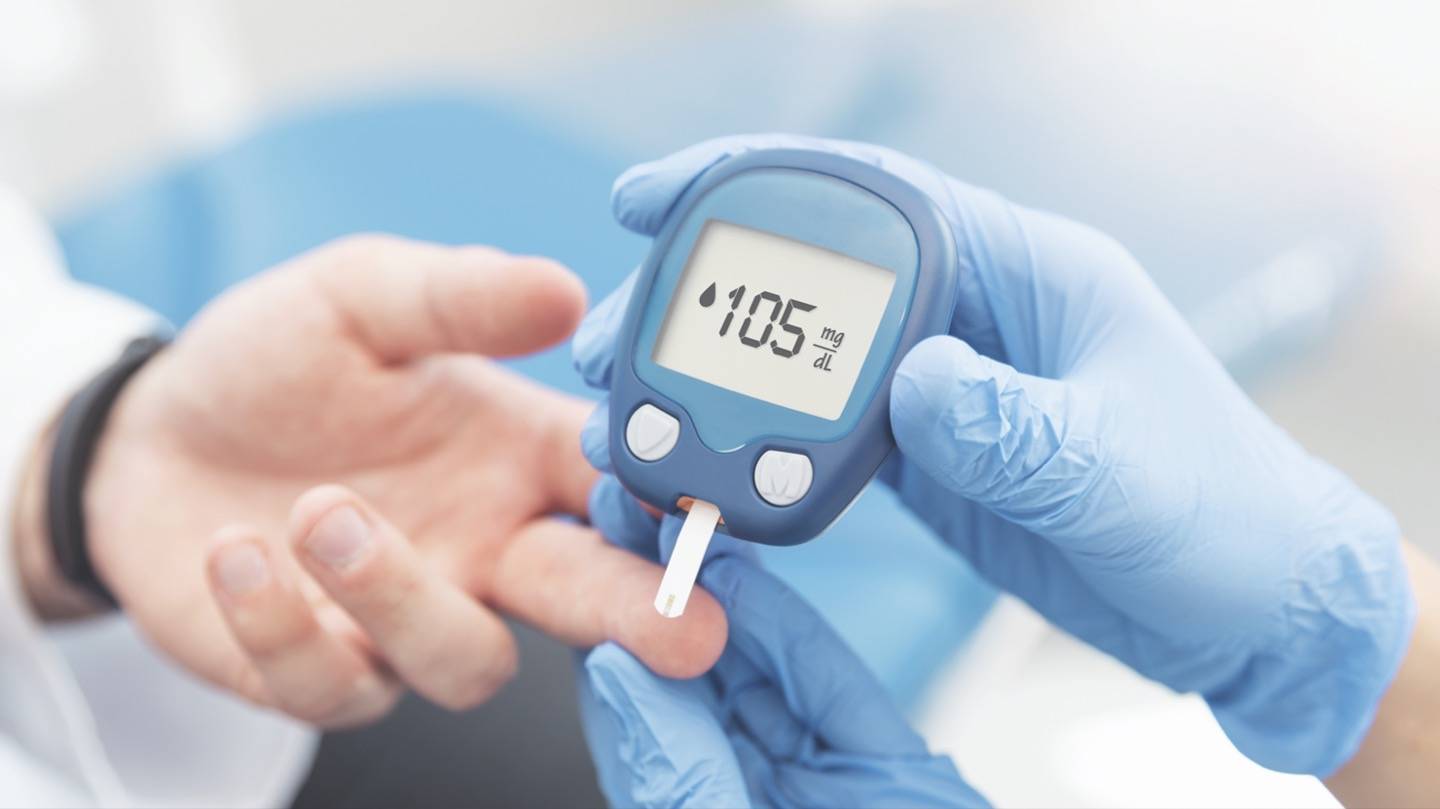
This may involve self-monitoring with a glucose meter or using a continuous glucose monitoring system. Keeping track of your blood sugar levels helps you understand how your body responds to different foods, activities, and medications. Handy carry cases help you manage and control your diabetes, when traveling or on the road.

* Preventive care: Stay up-to-date with recommended preventive screenings and vaccinations to manage diabetes-related complications effectively.
This includes regular eye exams, dental check-ups, blood pressure monitoring, and cholesterol level assessments. Additionally, ensure you receive an annual flu vaccine and the pneumococcal vaccine as advised by your GP.
By actively managing your diabetes through lifestyle modifications, medication adherence, and regular monitoring, you can improve your overall health and reduce the risk of complications. It's a journey that requires patience and consistency, but the rewards are worth it.
VI. Conclusion
Diabetes, when left undiagnosed or poorly managed, can lead to a range of health problems, including cardiovascular diseases, kidney issues, nerve damage, and more.
Recognising the early signs of diabetes is not something to be taken lightly. By paying attention to the subtle changes in your body and taking prompt action, you can potentially save your life and prevent the onset of serious complications.
It is essential to prioritise your health and wellbeing by seeking medical attention as soon as you notice any symptoms.
Through proactive steps, such as consulting your GP, undergoing diagnostic tests, and engaging in open discussions about your symptoms and concerns, you can take control of your diabetes journey.
Embracing lifestyle modifications, including a healthy diet, regular exercise, and weight management, plays a significant role in effectively managing the condition. Adhering to medication regimens, monitoring blood sugar levels, and prioritising preventive care are essential elements of successful diabetes management.
Taking charge of your health starts with recognising and addressing the early signs of diabetes. Your wellbeing is worth the effort and dedication.
Don't ignore the warning signs — act now, seek medical attention, and embark on a journey towards better health and a brighter future.
Need more help selecting a diabetes product?
We hope this article has taught you a lot about the early signs of diabetes. If you’re not sure of where to look next, take a glance at our Diabetes Care section for the helpful diabetes products range.
Other Useful Links
If you would like to know more about Diabetes, please find the link of our other blogs below:
Do you know the symptoms and warning signs of Type 2 Diabetes?