Breathing is something we all take for granted, but if you have a chronic respiratory disease like asthma or COPD, breathing can be a challenge. In that case, breathing exercisers can help. Some respiratory devices can determine your full lung capacity, while others help clear your airways. These exercisers can be used as part of a lung health treatment or exercise program to help build your airway muscles. In this blog, we explain the different breathing exercisers that are available to improve your breathing.
What is COPD?
Although Chronic Obstructive Pulmonary Disease or COPD is a treatable disease, it has some significant symptoms that may contribute to a severe condition. The main symptom of the respiratory disease is characterised by airflow limitation associated with an abnormal inflammatory response of the lungs.
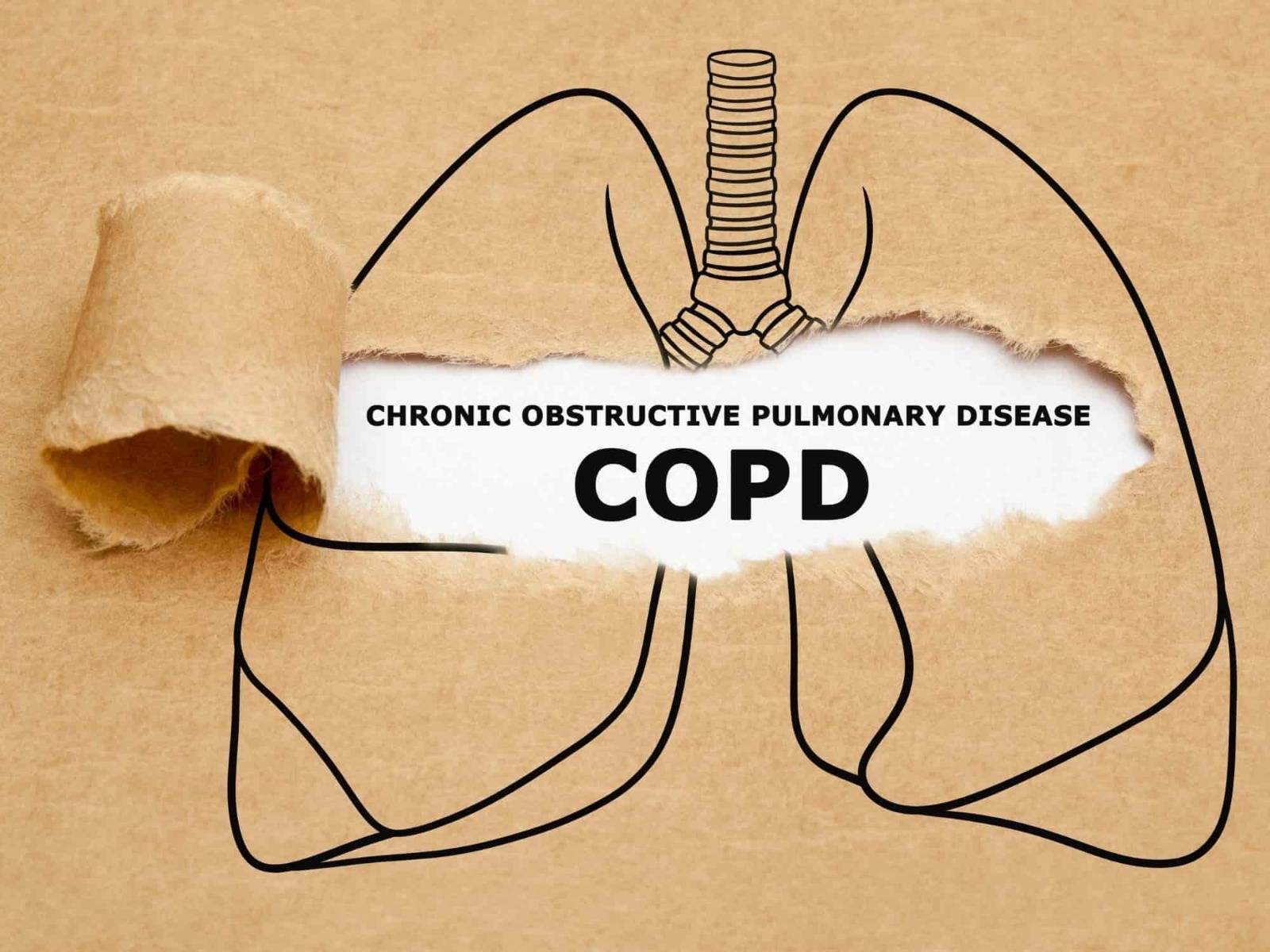
COPD has a serious impact on the quality of life for patients and their families in Australia. According to research, COPD is currently the fourth major cause of mortality worldwide. Patients experience a period of disability, fatigue, and dyspnea, which impacts the quality and standard of their life.
What is the function of a breathing exerciser?
Research has shown that respiratory exercisers improve quality of life. Respiratory muscle training may help relieve distressing symptoms, such as shortness of breath.
There are 2 types of respiratory exercisers
- Resistive breath training is a type of resistance training for the lung muscles we use to breathe. It can be accomplished through a hand-held device, known as an inspiratory exerciser. This type of device typically consists of a mouthpiece through which the person breathes in and an adjustable valve, creating varying degrees of resistance for the exerciser to work against.
- A spirometer is a tool used to identify airflow obstruction by measuring the volume of air you can exhale. You can either use it for forced expiratory volume to measure the volume of air that you can exhale at several timed intervals. It is essential to know why and how your doctor wants you to use a spirometer.
What are the benefits of breathing exercisers?
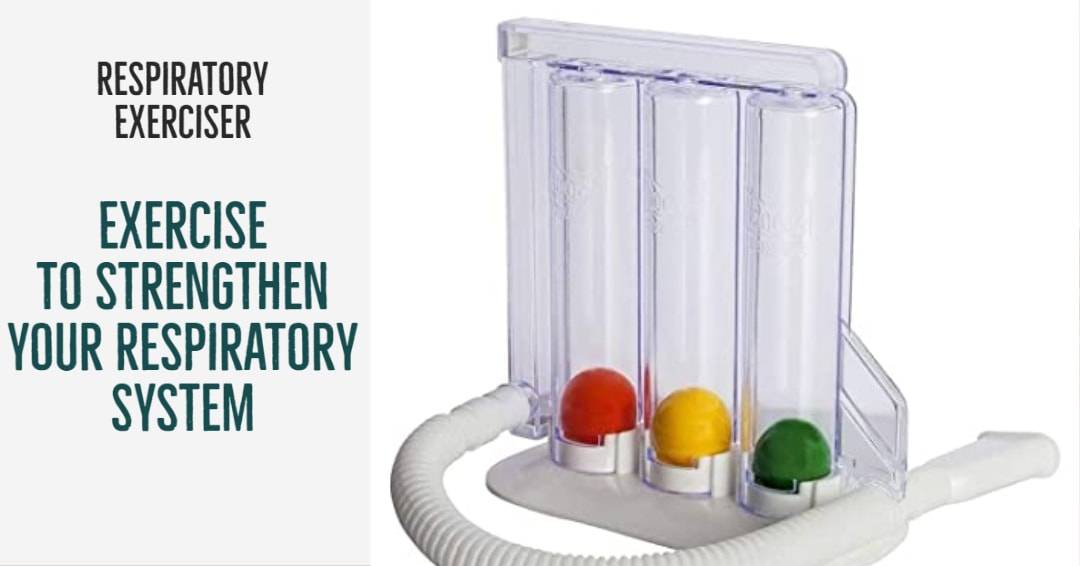
An inspiratory exerciser is actually not a new technique. Resistive breathing training was developed a long time ago to help people with various breathing problems, including COPD, asthma and the after-effects of bronchitis. It is also used to help people successfully withdraw from mechanically assisted breathing.
Research has proven that this device benefits patients living with severe COPD to achieve improved breath control, as well as improved expectoration, a term that is used for the ejection of phlegm and mucus from throats and lungs. Studies continued to find significant improvements in resistive breath training.
Inspiratory muscle training has many benefits:
- Improves your blood circulation
- Helps the body better use oxygen
- Improves the symptoms of COPD
- Strengthens your heart and cardiovascular system
- Builds energy levels so you can do more activities with becoming tired or short of breath
- Increases endurance
- Makes you feel more relaxed and rested
- Improves sleep
- Boosts self-image and self-esteem by making you feel healthy and look fit
- Helps reduce stress, tension, anxiety and depression
- Helps reduce body fat
- Improves muscle tone and strengths
Our Inspiratory Exercisers
Inspiratory Exercisers like Inspiratory Exerciser 4000ml – Voldyne and TriFlo Inspiratory Exerciser – Able are breathing training devices that aim to improve the overall function of the respiratory muscles of your lungs. This lung device has - as added value - that they are easy to use for children and adults. Built-in handle makes these inspiratory exercisers easy to grasp and use.
What is the Voldyne?
The Voldyne inspiratory exerciser measures the total inhaling volume while
How does the Triflo Inspiratory Exerciser work?
The TriFlo inspiratory exerciser trains the inhalation flow through resistance exercise and deep breathing. Deep breathing has been shown to be vital to lung health and respiratory fitness. Deep breathing is necessary to reach and expand the small air sacs of your lungs.
Normally, you take many deep breaths without even being aware of it. In case of a specific respiratory condition like COPD, however, your normal breathing pattern changes in an effort to minimise pain when you inhale.
In these instances, it is important to try to resume your deep breathing pattern - despite the discomfort it may cause – to prevent respiratory complications.
By carefully following your doctor’s instructions and the directions provided with your Triflo Inspiratory Exerciser, you will feel the benefits of slow, deep breathing exercise. The Triflo Inspiratory Exerciser measures the volume of air you inhale and shows you how effectively you are filling your lungs with each inhalation.

These respiratory tools have a valve in order to provide resistance when breathing in these devices. It helps patients suffering from COPD to take long deep breaths and clears the mucus in their lungs. It also increases the amount of oxygen getting into the lungs of patients.
The inspiratory exercisers are ideal for patients in Australia who have recently undergone heart surgery or surgeries that involve extended periods of time under anesthesia. It helps patients monitor post-surgical breathing exercises.
How does the Voldyne Inspiratory Exerciser work?
This breathing exerciser is often prescribed to COPD patients and those who need lung expansion therapy after surgery.
When you breathe in through the device's mouthpiece, its indicator moves upward and stays at the high point to provide a reading. You can find some incentive spirometers that help strengthen your breathing muscles. They feature coloured balls that move upward to a certain level if you exhale properly. These analog spirometers don't need electricity to operate, but they don't automatically record your data.
How to use Inspiratory Exerciser?
First of all, you need to sit straight and put the pressure indicator to the proper level. After that, you just need to relax, exhale as much air as comfortable possible.
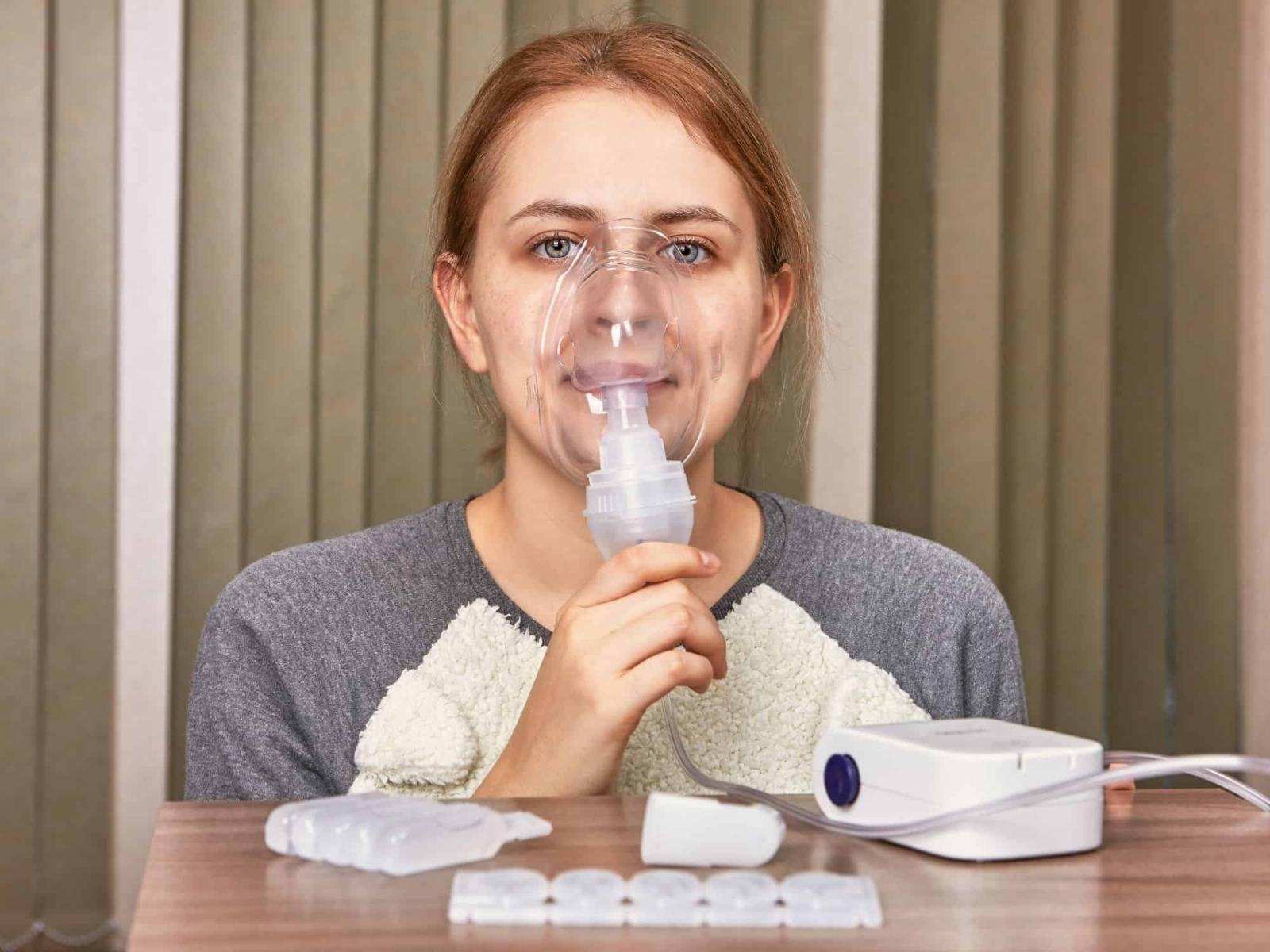
- Place the mouthpiece in your mouth and seal your lips around it
- In order to ensure you are breathing through your mouth, you might need to use a nose clip
- Slowly inhale deeply to open the valve.
- Keep the flow indicator at the better or best position.
- Hold your breath for at least 5 sec allowing the piston to fall back to “0” at the end of your inhalation.
- Repeat this exercise up to 10 times per session
- Try this exercise 4 times a day if possible
- Be consistent and try to do the exercise at the same time each day
Conclusion
You will see and feel the benefits of breathing exercisers by carefully following your doctors’ instructions and the directions provided by the devices. The regular use of respiratory trainers will help you achieve optimum lung capacity and hopefully restore disrupted breathing patterns.
Would you like to know more about COPD, read our blog 'How can you maintain quality of life with COPD?'
About Bettercaremarket
Bettercaremarket is your leading supplier of healthcare essentials and your #1 destination for quality incontinence supplies, mobility equipment, independent living aids for seniors, disability aids, rehab and therapy products and medical supplies.
We help NDIS-participants, aged care facilities, home care package providers, occupational therapists and allied health providers find the best solutions to solve their needs.
Enhance your understanding and find practical solutions with our other top-performing blogs:
- A Bottom Wiper: How Can It Help a Bariatric User?
- Find the Best Crutches to Suit Your Needs
- Choosing the Right Walking Frame for Parkinson’s Disease
- What Is Normal Blood Pressure?
- The Benefits of the Multifunctional Chair After Hip or Knee Surgery
- Bathroom Tasks Made Easy for Those Living with Parkinson’s
Stay informed with tips and insights tailored to your needs!
About Bettercaremarket
Bettercaremarket is your leading supplier of healthcare essentials and your #1 destination for quality incontinence supplies, mobility equipment, independent living aids for seniors, disability aids, rehab and therapy products and medical supplies.
We help NDIS-participants, aged care facilities, home care package providers, occupational therapists and allied health providers find the best solutions to solve their need.