Living with incontinence can be a daily challenge, not only impacting lifestyle, but also your skin health. Taking care of your skin if you suffer from bladder and/or bowel leakage is a necessity. However, managing it effectively can turn this challenge into just another part of your day. This guide aims to equip you with practical tips, shedding light on maintaining skin integrity amidst incontinence.

Content
- Understanding the Impact of Incontinence on Skin Health
- Daily Skincare Routines for Incontinence
- Tips for Managing Incontinence at Home
- Addressing Common Challenges
- When to seek professional help?
- The role of diet and hydration
Understanding the Impact of Incontinence on Skin Health
The main culprit behind skin issues in incontinence is exposure to moisture, either urine or bowel waste, which can break down the skin's natural barrier. The acidity within urine and stool can lead to issues like burning, irritation, redness, itching, ulcers and infections. These conditions arise when the skin's protective barrier is compromised, leaving you vulnerable for bacteria and fungal infections.
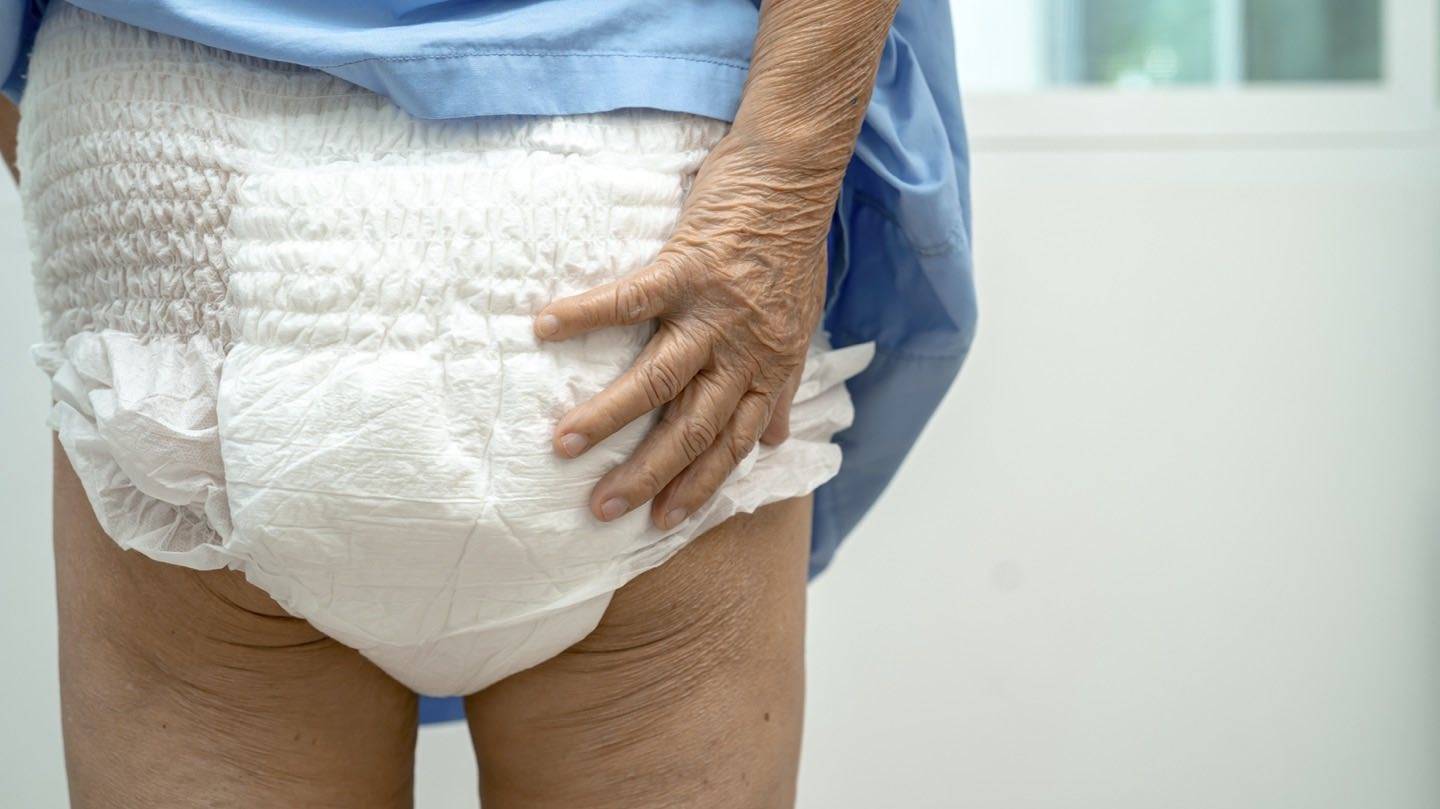
Incontinence can quickly lead to Incontinence-associated dermatitis (IAD) - also known as diaper rash - if you don't take steps to keep your skin clean and dry. IAD is a condition that occurs when the skin comes into prolonged contact with urine or stool. The bacteria convert the naturally acidic urine into ammonia, and affects your skin's pH level with alkaline. Additionally, stool contains enzymes that can quickly break down your skin, leaving you vulnerable for infection.
One third of people with incontinence develop IAD, which can potentially lead to more serious conditions that can cause significant discomfort if not managed properly. Proper care of the skin is essential to prevent skin deterioration and maintain comfort.
Daily Skincare Routines for Incontinence
To alleviate the effects of incontinence on skin health, it's essential to adopt a daily skincare routine that includes:
Keeping the Skin Dry and Clean:
Cleaning your skin is the most important step in skincare. Change incontinence products, such as adult diapers, pads and pull-up pants, frequently to minimise skin exposure to moisture. As a rule of thumb, change pads, diapers or pull-up pants be every 2-3 hours.
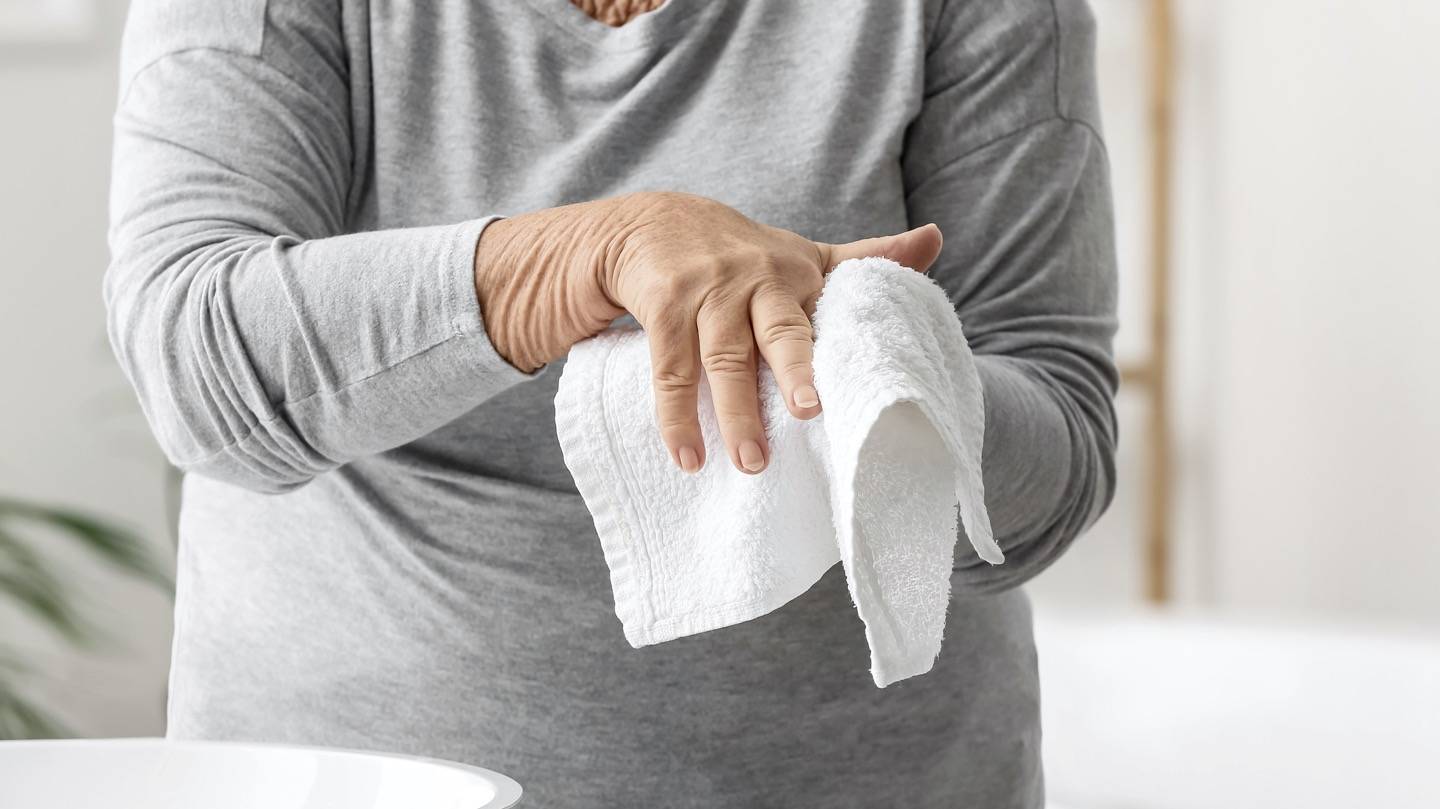
Use mild, non-fragrant wipes like the Molicare Moist Skin Care Tissues to wash the affected areas gently and ensure thorough drying with a soft towel to maintain skin integrity.
Continence Care Wipes eliminate the need to scrub areas of tender skin. Allow the area to air dry before putting on the new incontinence product.
Choosing the Right Skin Care Products:
Opt for hypoallergenic and non-irritating products specifically designed for sensitive skin, which are less likely to cause reactions. Special incontinence cleaning products are designed to gently dissolve and remove stool and urine. Avoid skin care products that contain alcohol.
Try the Molicare Skin Wash Lotion made to make cleaning the perineal area fast, effective and pain-free.
Barrier Creams:
After cleaning and drying the skin, apply a barrier cream. Barrier creams play a crucial role in the skincare routine for people using adult diapers, pull-up pants or incontinence underwear. Unlike moisturisers, barrier creams are specifically formulated to form a protective layer on the skin, creating a moisture shield and preventing irritants from causing damage.
Barrier creams can contain zinc oxide; this ingredient is effective in sealing out moisture and protecting the skin from the dampness caused by sweat, urine, and other bodily fluids. This incontinence skin care product can help prevent skin irritation such as rashes and sores. Additionally, a quality barrier cream will adhere well to your skin and not rub off easily, providing lasting protection against chafing caused by diapers or pull-ups.
Natural Zinc Oxide Free barriers ensure that the pad, diaper or pull-up's absorbency is not impacted. Our Molicare Skin Barrier Cream has been developped to protect fragile skin from seniors and helps maintain a healthy skin.
Moisturising lotion:
After washing the area, apply a protective moisturising lotion to protect the skin from damage by urine or stool. This product will help keep your skin moisturised and protected. Avoid baby powder and fragranced skincare products. Try the premium Molicare Skin Body Lotion, this product will soothe and prevent skin damage by maintaining a natural pH range of 5.5.

Film forming skin protectors:
Consider a skin sealant like the Molicare Skin Cleansing Foam. This incontinence skincare product forms a transparent protective film on the skin that locks out moisture allowing the skin to restore and infections to heal. It revives the natural and healthy balance of the skin.
Wear the right Incontinence Products:
Choosing the appropriate incontinence products based on body type and leakage level is crucial for effective skin care. If a pull-up pant or diaper is too tight, it can cause skin chafing, while one that's too loose may lead to leaks. Ensure you select the proper size for your comfort and protection.
It's equally important to consider the absorbency level required. For instance, individuals with mild urinary incontinence might find bladder control pads sufficient, whereas those dealing with more severe faecal incontinence may need the higher absorbency offered by adult diapers.
Avoid Spicy Food:
It has shown that spicy food and citrus fruit cause more irritation to the skin. Try to avoid them.
Tips for Managing Incontinence at Home and On-the-Go
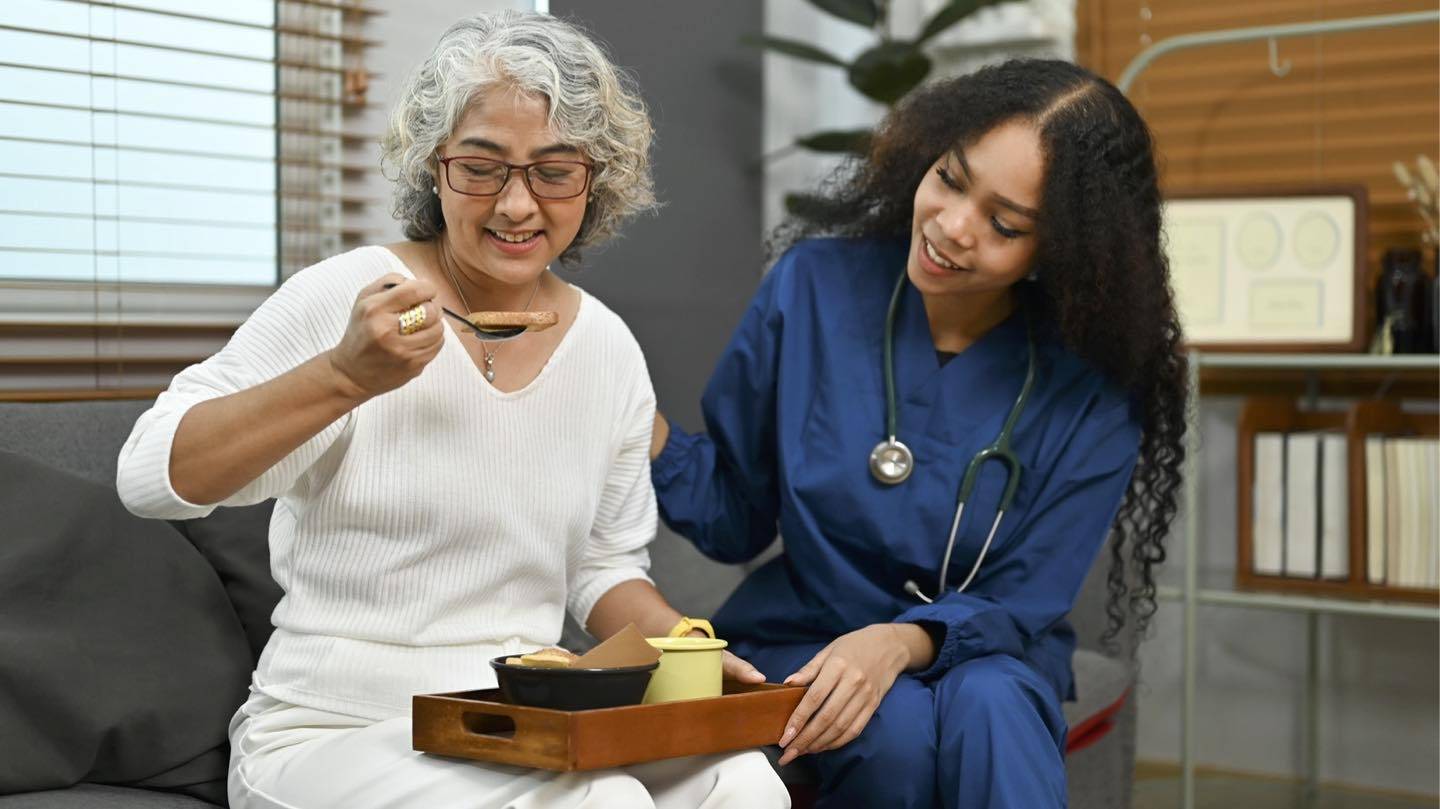
Managing incontinence effectively requires a proactive approach, both at home and while out:
- At Home: Establish a regular schedule for changing absorbent products and stick to a strict hygiene routine. Consider using high-absorbency products that offer better protection and comfort.
- On-the-Go: Carry a travel kit with essentials such as spare absorbent products, wet wipes, and barrier creams. This will allow for quick changes and skin care, reducing the risk of irritation.
Addressing Common Challenges
People with mobility issues or those who are bedridden face unique challenges in managing incontinence and skin health. It’s crucial for carers to assist in regular position changes to reduce pressure and prevent bed sores.
Additionally, skin should be checked regularly for any signs of irritation or breakdown. Take action immediately to address any issues.
When to Seek Professional Help?
While home remedies and over-the-counter solutions are often sufficient to manage incontinence-related skin issues, certain conditions may require professional attention.
If symptoms of skin irritation persist or if there are signs of infection, it is important to consult your GP. They can offer specialised treatments and adjust care routines as necessary.
The Role of Diet and Hydration
Maintaining good nutrition and hydration plays a critical role in skin care. Ensure a balanced diet rich in vitamins and minerals that support skin repair and hydration.
Drinking plenty of fluids also helps maintain overall health, although fluid intake might need to be monitored and timed appropriately for those with incontinence.
Conclusion
Incontinence doesn't have to compromise your skin health. With the right knowledge and tools, you can manage its effects and maintain healthy, comfortable skin. Remember, each person's situation is unique, so it may be necessary to tailor these recommendations to suit individual needs.
By taking proactive steps and consulting healthcare professionals when needed, those living with incontinence can lead a comfortable and confident life.
About Bettercaremarket
Bettercaremarket is your leading supplier of healthcare essentials and your #1 destination for quality incontinence supplies, mobility equipment, independent living aids for seniors, disability aids, rehab and therapy products and medical supplies.
We help NDIS-participants, aged care facilities, home care package providers, occupational therapists and allied health providers find the best solutions to solve their needs.