Did you know that many people experience anxiety in some point in their life? Anxiety is a natural reaction to stress and is something that most of us are familiar with, f.i. when giving a presentation at work, having financial troubles or changing job.
However, when feelings of distress or fear become overwhelming and prevent you from doing everyday activities, you may have an anxiety disorder.
There are many symptoms that may indicate you’re struggling with anxiety. This article will feature the most common symptoms of an anxiety disorder.
Why it’s important to spot the signs of anxiety?
Physical symptoms of anxiety have the potential of turning someone positive into a pessimistic thinker.
Anxiety can be triggered by many things, and can hit even if there isn’t a particular issue you can put your finger on. If you’re prone to anxiety, you may keep struggling with it unless you put some steps in place to deal with it. That’s why it’s important to identify the signs and get the right support.

The symptoms of anxiety vary from person to person and case to case. It is very unlikely you would have all these symptoms: there may be some that never affect you, and others that you experience severely. And you may find, you suffer from different symptoms at different times. The signs of anxiety can generally be divided into three types: body, mind and behaviour.
What are the physical signs of anxiety?
Fatigue or exhaustion – anxiety has a great impact on your body. It can leave you feeling physically drained. Some people feel tired throughout the day, while others experience fatigue after a panic or anxiety attack. Anxiety and fatigue are often seen as a vicious circle. Anxiety causes fatigue because the physical and emotional symptoms are draining. Your negative mindset uses up a lot of energy from your body and will exhaust you as you are focusing on worry and fear all the time.
Breathing issues – rapid and shallow breathing are anxiety related breathing issues that tend to be a result of hyperventilation while shortness of breath feels you have to force yourself to breathe.
Headaches and migraines – you may feel as if your head is about to explode.
Dizziness – from feeling lightheaded to the feeling you may pass out. It is a very one of the most frightening symptoms of anxiety.
Experiencing weak or jelly legs – another scary experience
Muscle tension – when you feel anxious - without realising it – you tense your muscles. That is why you can experience tight muscles and stiffness in of your muscle groups. F.i. you may find yourself clenching your hand around the steering wheel while driving or strain your neck while you are sitting behind your computer.

Aches and pains, including headaches, back pain and neck stiffness
Grinding your teeth, especially at night – can cause jaw pain
Restlessness – you might find it hard to sit still
Sleep disturbances - whether you find it hard to fall asleep, or wake in the early hours and not being able to fall asleep gain
Heart palpitations – your heart beats feel suddenly more noticeable. Pounding, beating or fluttering of your heart take seconds or minutes. In most cases these heart palpitations are harmless. They are not a sign of a heart problem.
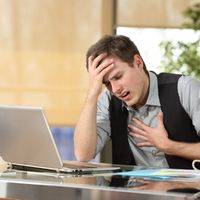
Sweating – anxiety activates a natural response to stress which causes the body to increase sweating. Did you know that perspiration – or sweating – is actually good, as it is a means to expel toxins from your body.
Digestive problems – are very common as mind and gut have a strong connection and are extremely sensitive to stress.
Irritable bowel syndrome or IBS is a condition characterised by cramping, bloating, excess gas, constipation or diarrhea, stomach aches. IBS is seen as anxiety in your digestive tract.
What are the mental effects of anxiety?
Constant anxious thoughts - even if you can’t connect it to anything.
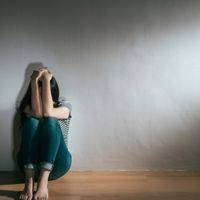
Wanting reassurance from others - although it doesn’t help for long, or at all
Having dissociative experiences – either feeling disconnected from your body or from the world around you
Finding it difficult to concentrate - Reflecting on things that have happened or you’re worried might happen
Loss of interest in things that you normally enjoy
Feelings of worthlessness - sensing people are annoyed or upset with you, even when there’s no sign of this
What are the effects of anxiety on your behaviour?
Excessive intake of alcohol - alcohol can cause or worsen anxiety
Change in appetite - Over-eating, particularly junk food – or the opposite, no interest to eat

Starting smoking - in an attempt to soothe yourself
Struggling to maintain a social life – and even when you do go out, you may find it difficult to enjoy yourself
Being distracted at work - you have trouble concentrating
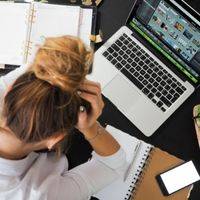
Irritable – lack of sleep and increased stress can result in irritability. You easily snap at people.

Your room or house is a mess – dirty dishes, messy countertops and piles of clothes everywhere. Still you feel you have no time to clean it.
Conclusion
Whatever your symptoms are, anxiety can show itself in many forms and can vary from person to person. Some people may have difficulty sleeping while others may be exhausted from their anxiety and have problems getting out of bed.
All these conditions are real, difficult and frustrating. It is dreadful condition for those who endure it, as well as for those around them. We recommend you reach out to a professional and share your story. You are worthy of feeling better and of being able to live the life you desire.
If you would like some tips on how to manage anxiety, we would recommend our article "Self-care tips when anxiety hits".
About Bettercaremarket
Bettercaremarket is your leading supplier of healthcare essentials and your #1 destination for quality incontinence supplies, mobility equipment, independent living aids for seniors, disability aids, rehab and therapy products and medical supplies.
We help NDIS-participants, aged care facilities, home care package providers, occupational therapists and allied health providers find the best solutions to solve their need.