Blood pressure can affect your health in many ways.
If blood pressure is so important, do you know what a healthy blood pressure reading actually is? In this blog, Bettercaremarket will give you some insight into what is considered normal, elevated and high blood pressure. We will explain what the different readings mean for your health.
Before we explain what normal blood pressure - or low, or high bp - is, you should know how blood pressure is measured and what the readings or results mean.
How is Your Blood Pressure Measured?
When you get your blood pressure readings, what exactly do these two numbers mean? The numbers you hear from your GP, are the systolic and diastolic values. These measurements are generally expressed as, e.g. 120/80 mmHG. To most of us, these terms mean nothing, but they are quite important.
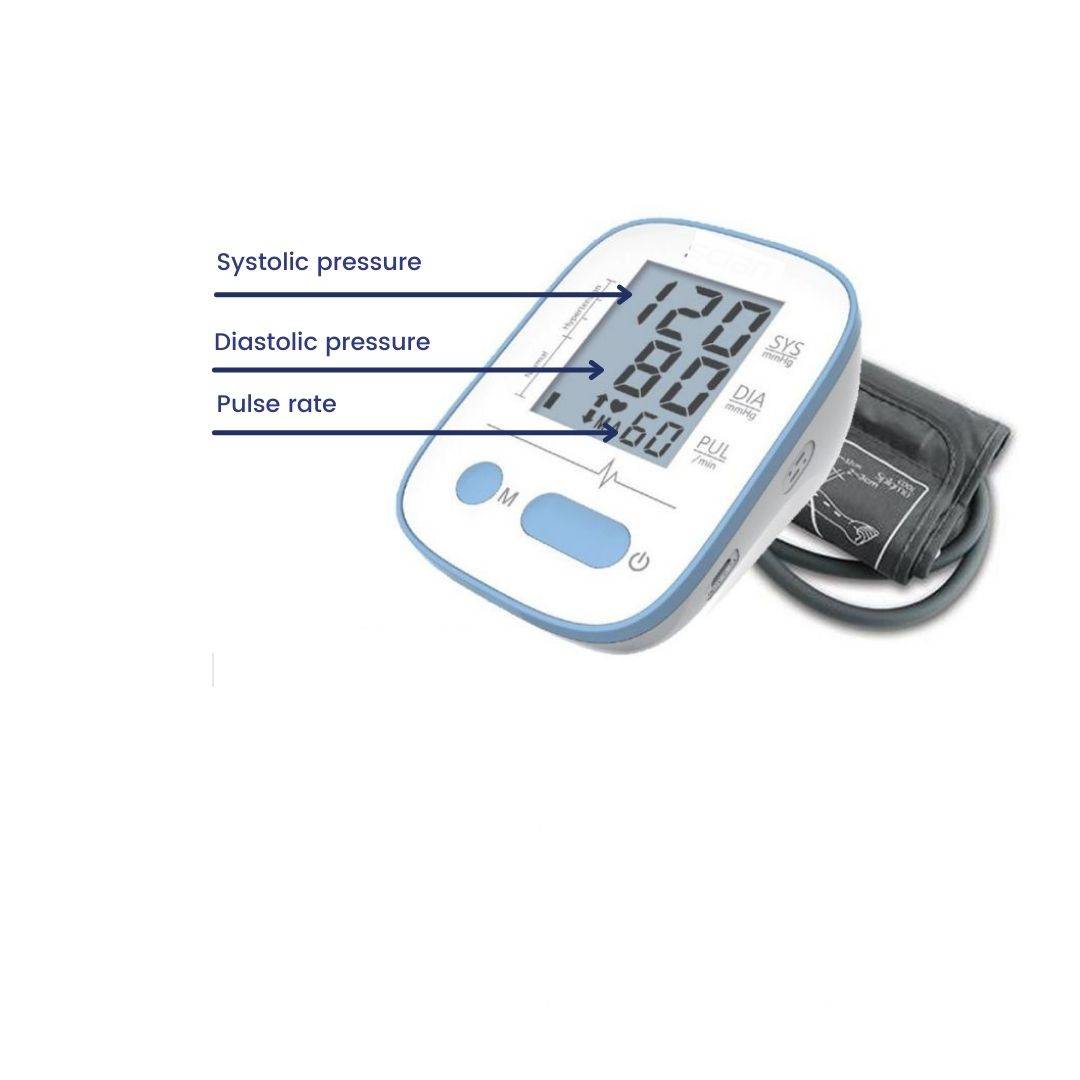
Systolic blood pressure is the pressure of the blood in your arteries when your heart is contracting and pumping out blood into your arteries.
Diastolic blood pressure is the pressure of the blood when the heart muscle relaxes between contractions.
Your systolic pressure is the top/first number in blood pressure readings, while diastolic pressure is the lower/second number. Blood pressure is recorded in mmHg, which stands for millimeters of mercury.
Both numbers determine the state of your heart. Depending on your readings, your GP may determine your blood pressure is high, low, or just right.
Often a pulse rate is also shown as the third reading.
What is considered a normal blood pressure reading?
The Australian Heart Foundation considers 120/80 mmHg a “normal or optimal” blood pressure. What does that mean?
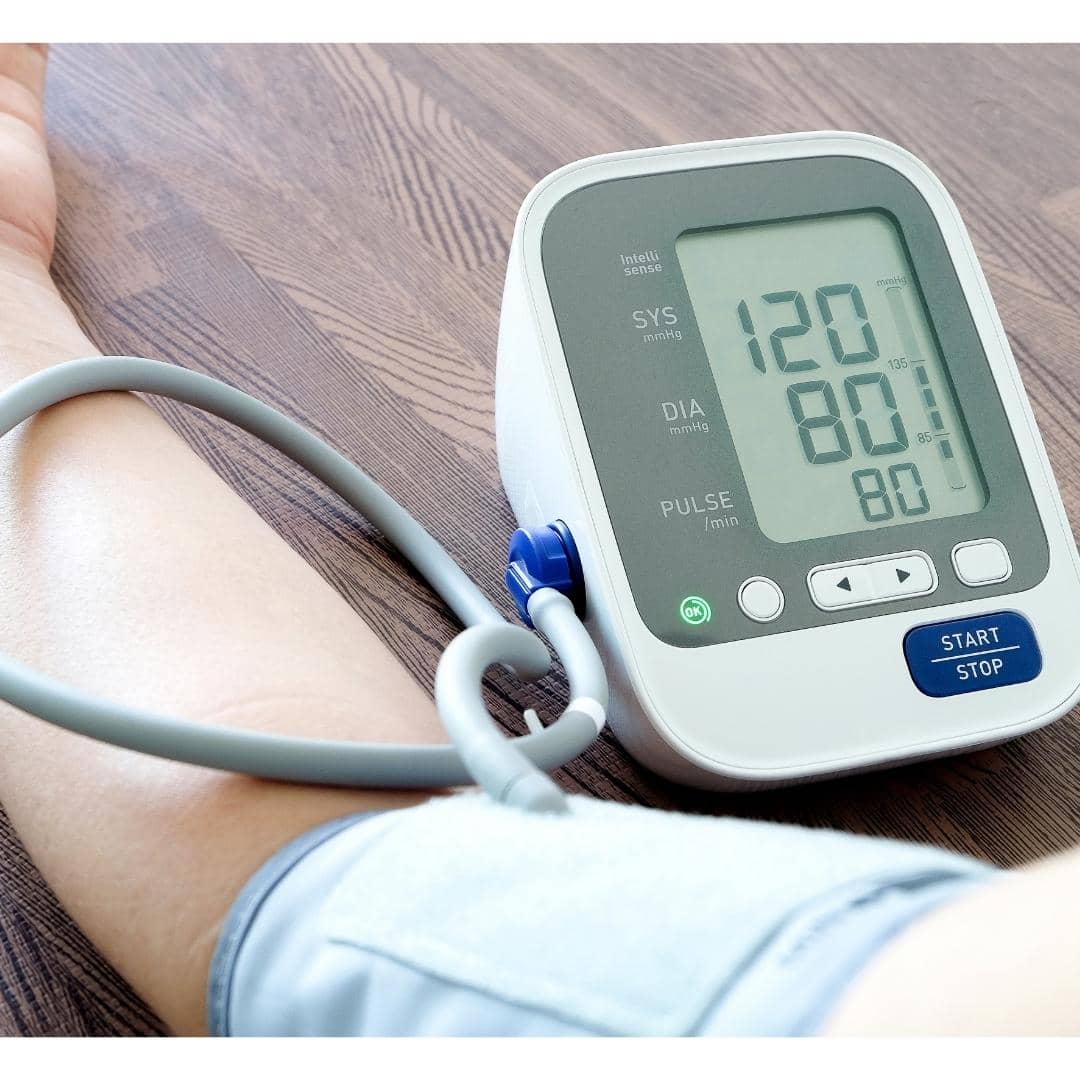
The systolic pressure should be between 90 - 120 mmHG, while the diastolic blood pressure readings should be between 60 – 80 mmHG.
These are rough guidelines and may differ from patient to patient.
Understanding Normal Blood Pressure by Age and Gender (Chart)?
Not only do normal blood pressure readings differ between men and women, a recent study has also found that women also have a lower ‘normal’ blood pressure range compared to men.
This chart shows normal blood pressure values according to age, for men and women.
|
Age |
Systolic BP |
Diastolic BP |
|
|
Male Female |
Male Female |
|
21-25 |
120.5 115.5 |
78.5 70.5 |
|
26-30 |
119.5 113.5 |
76.5 71.5 |
|
31-35 |
114.5 110.5 |
75.5 72.5 |
|
36-40 |
115.5 112.5 |
75.5 74.5 |
|
41-45 |
119.5 116.5 |
78.5 73.5 |
|
46-50 |
119.5 124 |
80.5 78.5 |
|
51-55 |
125.5 122.5 |
80.5 74.5 |
|
56-60 |
129.5 132.5 |
79.5 78.5 |
|
61-65 |
143.5 130.5 |
76.5 77.5 |
What is low blood pressure?
A low blood pressure is also called ‘Hypotension’. Hypotension is when your blood pressure reading is lower than 90/60. Low blood pressure readings can be dangerous for your health. It can be a sign that your vital organs, like your brain and heart, do not get enough oxygenated blood.

Complications of low blood pressure can be serious. As we are getting older, it may be more common to have lower systolic and diastolic blood pressure readings.
Fainting and dizziness are the key symptoms of low blood pressure, and therefore falls are more common in those who suffer from low blood pressure.
What causes low blood pressure?
Hypotension can indicate a more serious underlying health issue such as:
- Heart condition
- Dehydration
- Pregnancy
- Blood loss
- Allergic reaction, like anaphylaxis
- Severe infections, like septicaemia
- Malnutrition
- Endocrine or hormonal problems
- Certain medications
What is an elevated blood pressure?
When your systolic pressure is elevated, your heart must work harder to pump out the required amount of blood into your arteries and supply oxygen to your body. If your systolic pressure is between 120-129 mmHG, and your diastolic pressure is 80 mmHG or less, it is considered an elevated blood pressure.
Although elevated blood pressure is not considered ‘high’ blood pressure, you need to monitor your blood pressure and focus on a healthy lifestyle. Elevated blood pressure may turn into high blood pressure, which can result in heart diseases and strokes. It is strongly recommended to consider healthy heart habits such as regular exercise, a balanced diet and weight management.
What is high blood pressure?
The medical term for high blood pressure is 'Hypertension'.
Hypertension can result in heart attacks and strokes, as the arterial walls get thicker and harder over time. It can also increase the risk of aneurysms, a swelling of the arterial wall that - when ruptured – can be life threatening and requires immediate medical attention.
Other potential complications of hypertension include:
- Heart failure
- Kidney failure
- Vision loss
- Sexual dysfunction
- Vascular dementia
What causes high blood pressure?
Risk factors for high blood pressure include obesity, high alcohol intake, and smoking among other factors.
There are 2 stages of hypertension: stage 1 and stage 2.
Stage 1 hypertension is considered if your systolic pressure is between 130 – 139 mmHg or your diastolic pressure is between 80 – 89 mmHg.
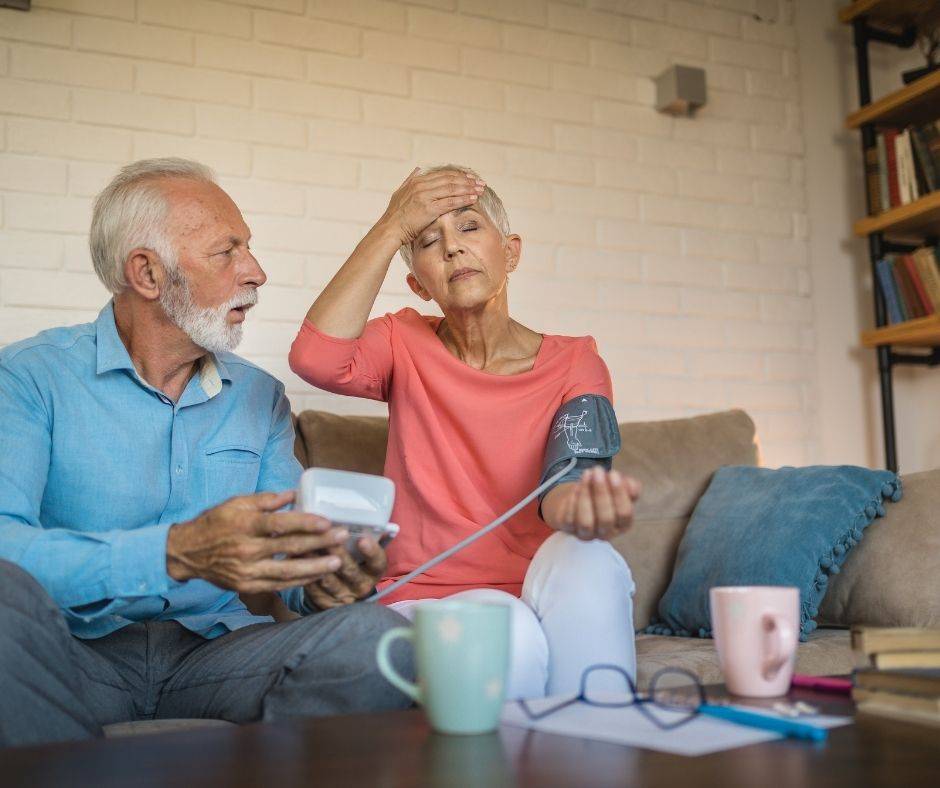
To determine the diagnosis of hypertension, your GP will track your blood pressure over a period of time.
Stage 2 hypertension is when the systolic blood pressure is 140 mmHg or higher and/or your diastolic pressure is 90 mmHg or higher.
This is a serious health condition, and your GP may recommend medication to manage your hypertension.
In both stages, lifestyle habits are very important to manage hypertension.
What is considered stroke level high blood pressure?
When your blood pressure rises above 180/120mmHg and you experience symptoms such as chest pain, shortness of breath, numbness, back pain, difficulty speaking or blurred vision, call 000 immediately.

This is considered a hypertension emergency or stroke level high blood pressure. These readings are dangerously high and require immediate medical attention in hospital.
How often should you check your Blood Pressure?
Your blood pressure results will dictate how often you should check your blood pressure. For normal blood pressure, your GP may suggest checking it once a year or more, depending on family history or lifestyle choices.
If your GP discovers an elevated blood pressure, he/she might want you to check your blood pressure every 3-6 months. This can also apply to a diastolic pressure of lower than 80. Your doctor will probably advise you on lifestyle changes and/or exercise.

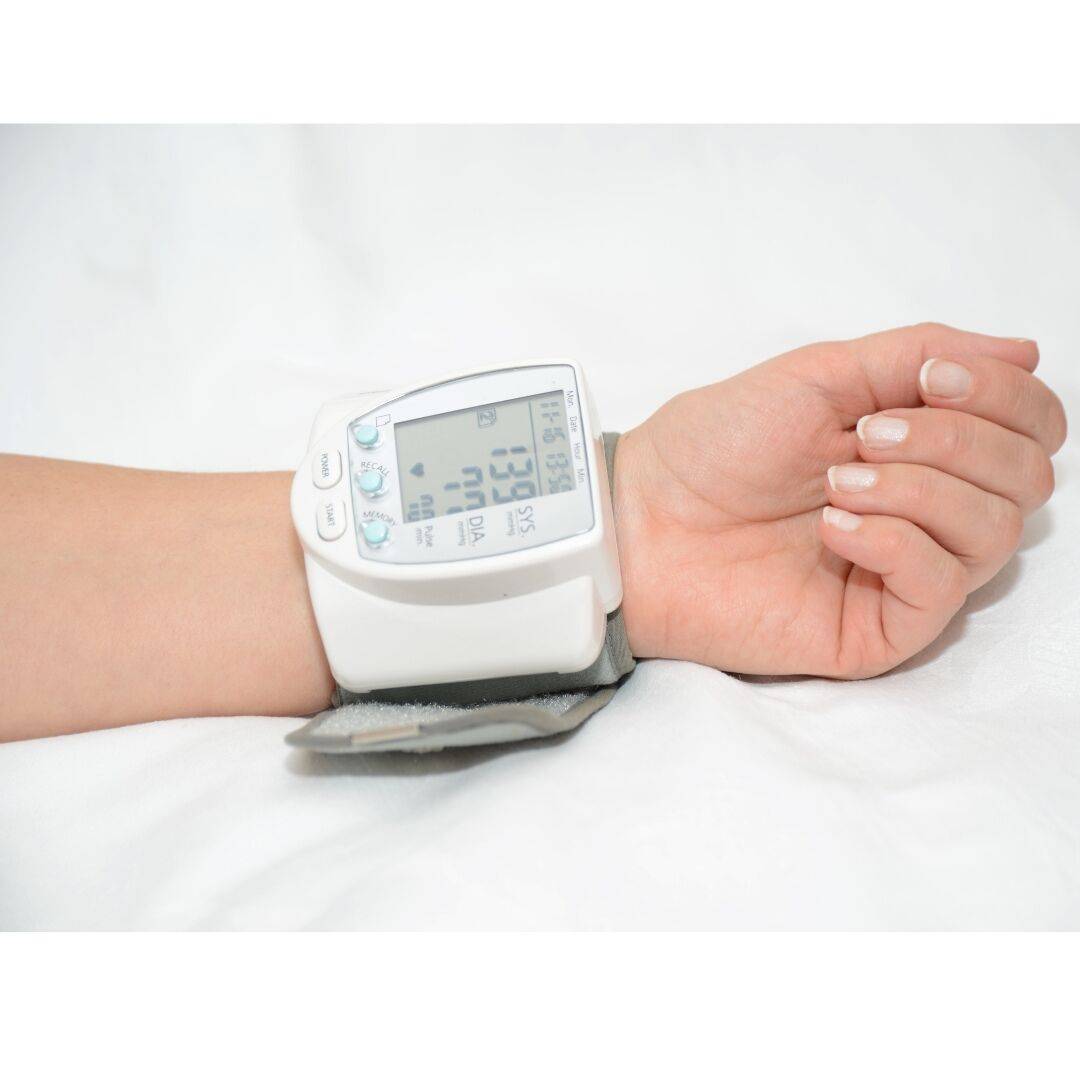
For higher blood pressure readings, above 130/80 mmHG your GP may choose more frequent medical check-ups, as well as medication to lower the blood pressure. Often, your doctor will suggest to check blood pressure at home. You could do this with an upper arm blood pressure monitor or a wrist bp monitor. These practical medical monitoring devices
will allow you to check your blood pressure regularly in the comfort of your own home.
It is vital to maintain a healthy lifestyle and exercise regularly to support your heart function in the best way possible.
Upper Arm Blood Pressure Monitor
The upper arm blood pressure monitor offers quick results on a large LCD. It detects arrhythmias. It has automatic cuff inflation and stores up to 90 readings with an average of the last three.
Digital Wrist Blood Pressure Monitor
The digital wrist blood pressure monitor is ideal for home or travel use. It provides fast and precise readings. It includes an adjustable cuff. It detects irregular heartbeats with memory storage for up to 180 readings.
Digital Blood Pressure Monitor With Manual Inflation
The Digital Blood Pressure Monitor features manual inflation. It fits easily in your hand for convenient monitoring. It provides accurate readings and includes an LCD screen with an irregular heartbeat sensor. It offers a slim-fit cuff suitable for arms with a diameter of 22-32 cm.
Bluetooth Blood Pressure Monitor
The Bluetooth Blood Pressure Monitor offers a wireless connection with Bluetooth technology. It allows easy pairing with your smartphone via the app. It includes a Slim Fit Cuff for arm circumferences of 22-32 cm. It has an internal memory for 30 records.
Make sure your BP readings add up!
Stay on top of your blood pressure, so you can identify risk factors early! Regardless of your heart condition, monitor your blood pressure regularly to detect changes that may indicate a serious health issue. Be proactive and stay healthy!!
If you’d like to see all our blood pressure monitor options we currently have available, feel free to browse our Blood pressure monitors.
Read more on heart diseases in our blog How Chronic Heart Conditions have impacted Australians?
Disclaimer: Our content is not intended for the purpose of diagnosis or treatment. Please always consult your GP or medical professional before trying or using a new medical product.
Frequently Asked Questions
Q. What is normal blood pressure by age?
Normal blood pressure varies by age. It is considered normal around 120/80 mmHg for adults. As people age, blood pressure tends to increase gradually.
Q. Is 140 over 70 OK blood pressure?
A blood pressure reading of 140/70 mmHg is within the normal range. Although, the systolic pressure is slightly higher than average. It is important to consider overall health and any associated symptoms.
Q. What foods lower BP quickly?
Foods that may help lower blood pressure quickly include leafy greens, berries, beets, oats, nuts, seeds, fatty fish, olive oil, and garlic. These foods are rich in nutrients that support heart health.
Q. What are the 5 signs of hypertension?
Signs of hypertension (high blood pressure) may include;
- Headaches
- Shortness of breath
- Chest pain
- Vision problems
- Fatigue
- Irregular heartbeat
Hypertension often shows no symptoms.
Q. What causes high BP?
High blood pressure can be caused by various factors, including genetics, lifestyle choices (such as diet, physical activity, and smoking), stress, obesity, certain medical conditions (like diabetes or kidney disease), and aging.
Q. Can hypertension be cured?
Hypertension can be managed through lifestyle changes (diet, exercise, stress management), medication, and regular monitoring. It is not always curable. It can be controlled to reduce the risk of complications like heart disease and stroke.
Q. What are the signs of low blood pressure?
Signs of low blood pressure can include;
- Dizziness
- Fainting
- Blurred vision
- Nausea
- Fatigue
These symptoms may occur when blood pressure drops significantly. It leads to inadequate blood flow to vital organs.
Q. How can I bring my BP down quickly?
To lower blood pressure try;
- Deep breathing exercises
- Reducing sodium intake
- Increasing potassium consumption
- Staying hydrated
- Exercising regularly
- Managing stress levels
- Avoiding alcohol and caffeine.
About Bettercaremarket
Bettercaremarket is your leading supplier of healthcare essentials and your #1 destination for quality incontinence supplies, mobility equipment, independent living aids for seniors, disability aids, rehab and therapy products and medical supplies.
We help NDIS-participants, aged care facilities, home care package providers, occupational therapists and allied health providers find the best solutions to solve their need.